Hey, Ross here:
Stocks are down this month and most people think it’s because of the war in Iran, but there is a much bigger force at play.
Wall Street is heading straight into a policy collision. On one side, inflation is starting to rise again. On the other, there is enormous pressure for the Federal Reserve to cut interest rates.
When those two forces collide, the market doesn’t like it. Anytime investors are unsure about the future, their default action is to sell.
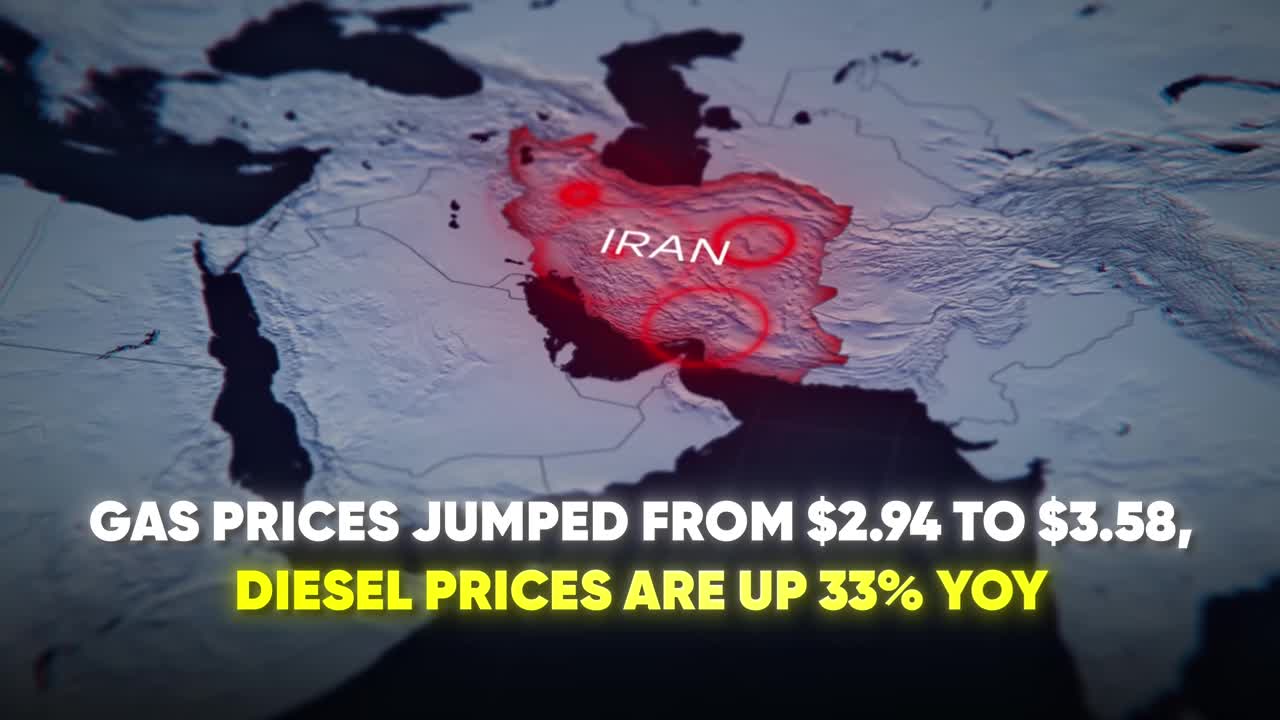
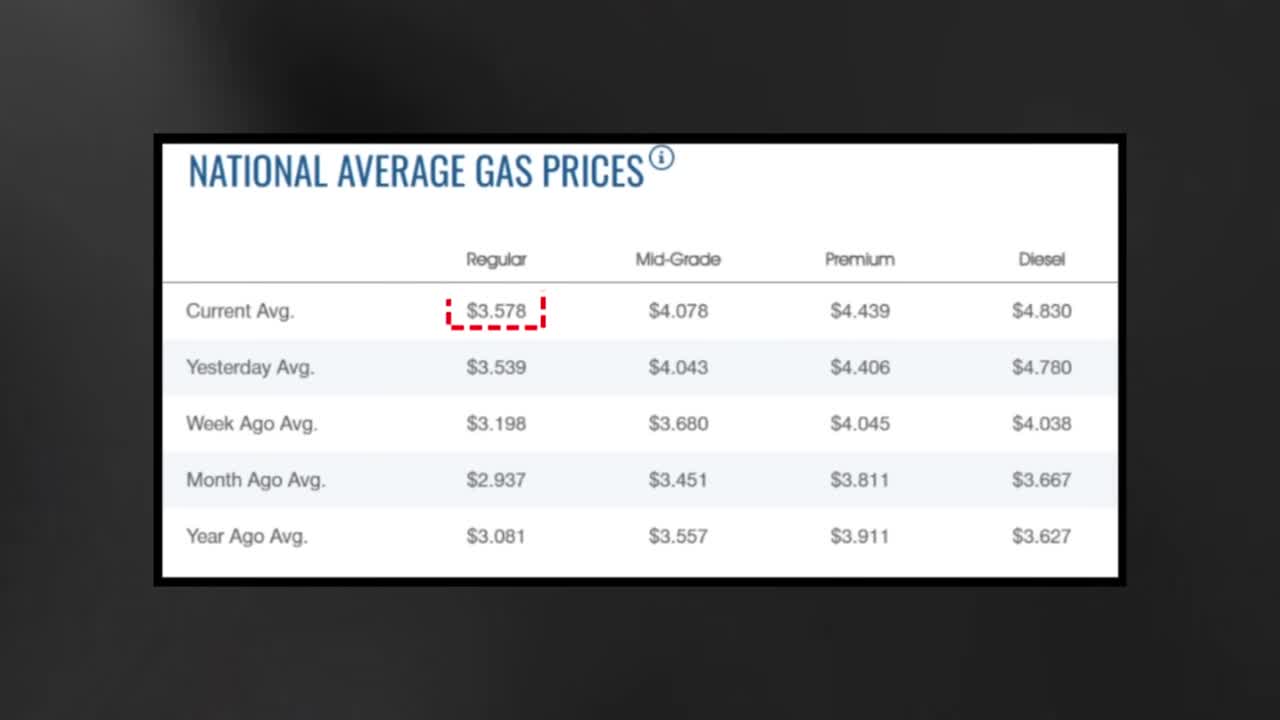
Thanks to the Iran situation, gas prices just jumped from $2.94 to $3.58. Diesel is up 33% year-over-year. And this is likely just the beginning.
Here is exactly what this means for the stock market — and some stocks and sectors that historically do well under these very conditions.
The Real Inflation Numbers
Trump is pushing for rate cuts, and he wants it done now.
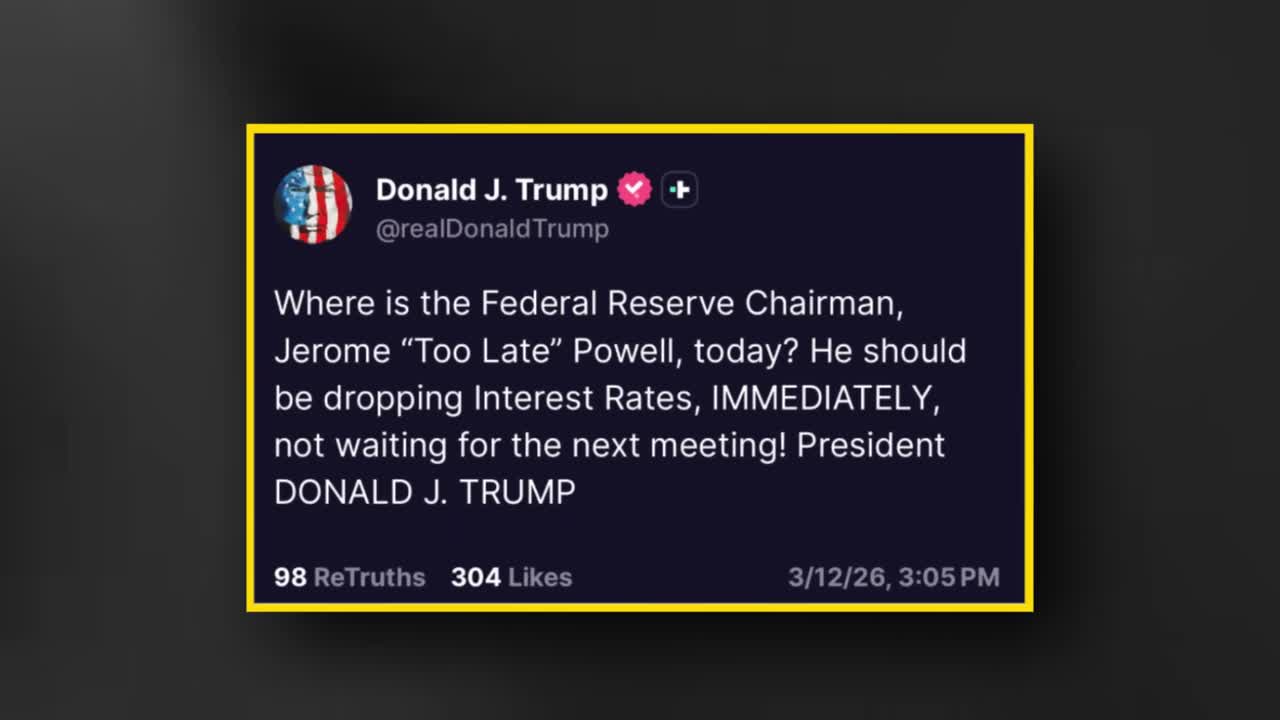
To understand the cause and effect of cutting versus not cutting interest rates, you have to look at the numbers from the latest Consumer Price Index (CPI) report. This inflation report was released last week, and it gives us an important snapshot of where things stand.
But keep the timeline in mind. This report covers February. It lags by a month.
That means the February report does not yet reflect the higher energy prices we are seeing right now in March. Those higher prices still need to be factored in.
I don’t put a lot of faith in the reliability or the precision of these government numbers.
But whether you fully trust them or not almost doesn’t matter. The federal government and the Federal Reserve make decisions based on this narrative. The story that CPI tells is what policymakers are responding to. For that reason alone, we need to pay attention to it.
The Flawed 2% Target
We have actually made a lot of progress since inflation peaked back in 2022.
I’ll be the first to admit that the pace of inflation has slowed down substantially. That is largely because interest rates are no longer sitting at damn near 0%. The Federal Reserve has slowed down the pace of its money printing. That is exactly how we arrived at this 2.4% inflation rate today.
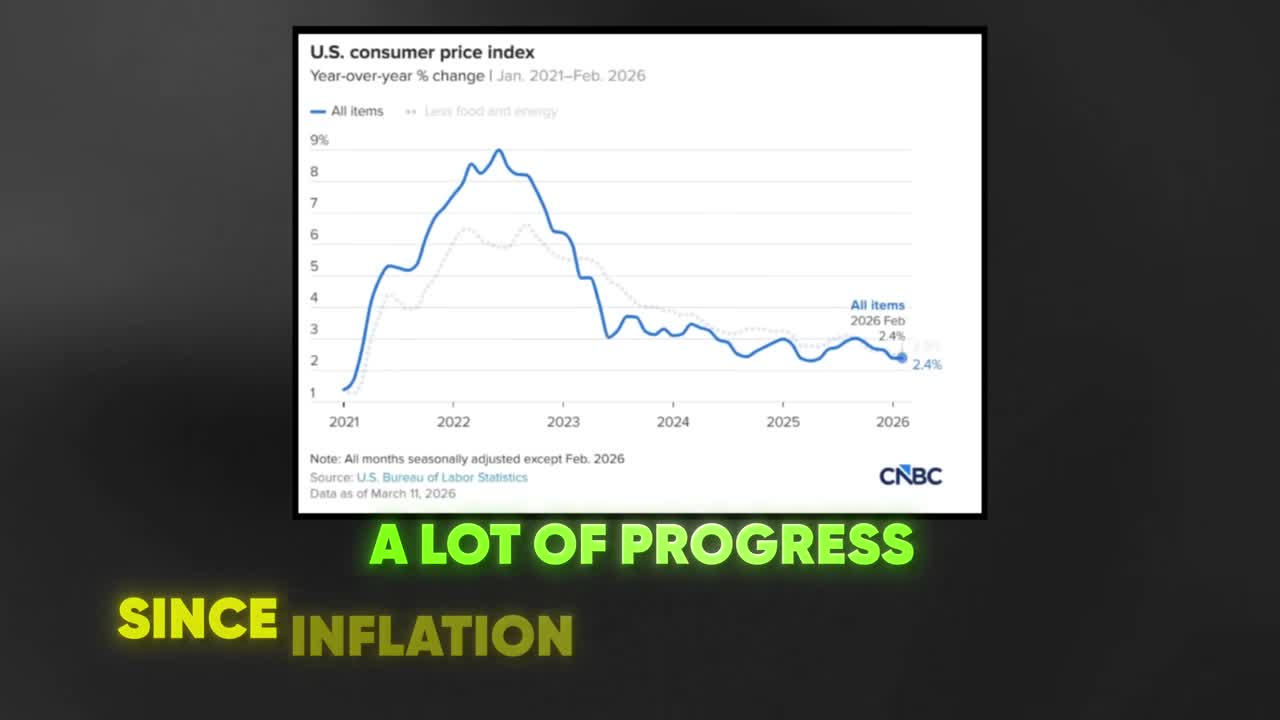
But there is a very important distinction that a lot of people don’t realize. People hear that inflation is coming down, and they think that means prices are coming down.
That’s not true.
Lower inflation just means prices are not rising as fast as they were before. They are never going to go down.
Another important point: 2.4% is simply the overall average across the CPI calculation. The Federal Reserve’s official target is 2% inflation. That is the number they are trying to reach.
Where did they get that from? They literally pulled it out of thin air. It should be zero, but they love to print money.
Hidden Inflation Destroying Your Wallet
When you dive deeper into this inflation report, you’ll notice something interesting.
Seven out of the 10 CPI components are actually rising faster than that 2% target. In some cases, they are rising much faster.
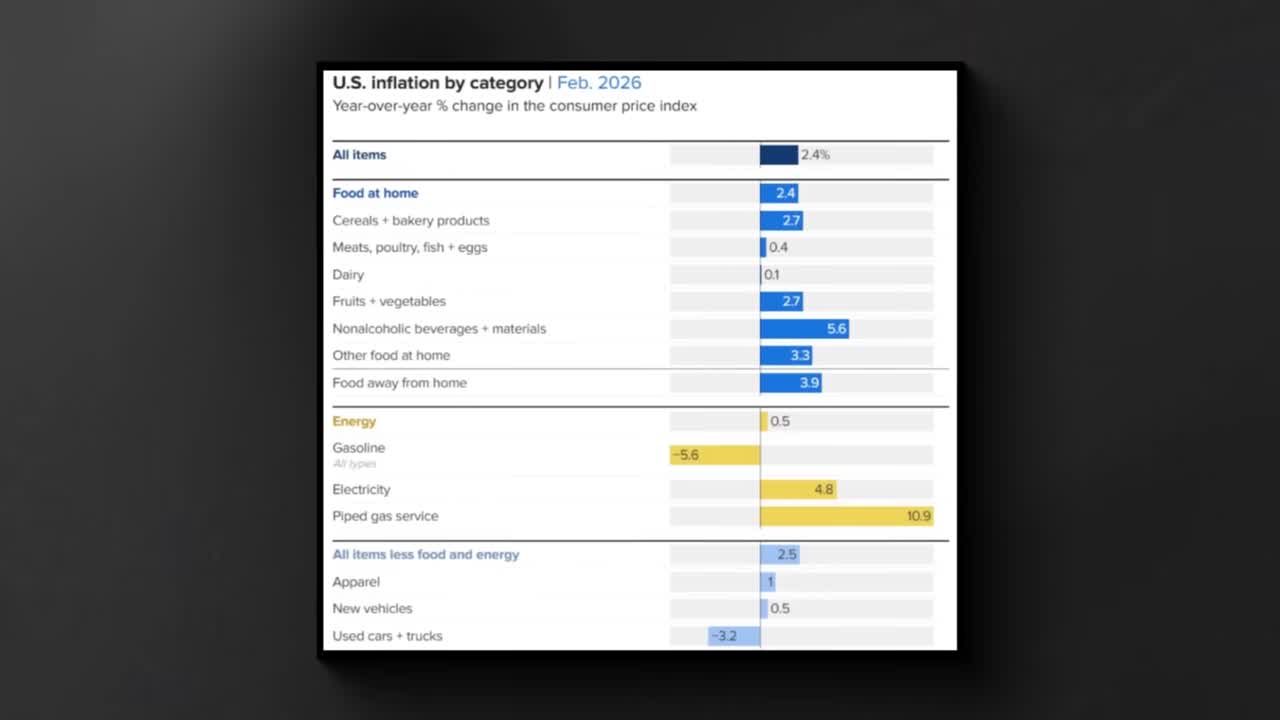
Here is what the government’s own data shows is happening to your money:
- Daycare costs: Up 3.7%
- Furniture: Up 3.9%
- Food outside the home: Up 3.9%
- Medical care: Up 4.1%
- Airfare: Up 7.1%
Then you get into some categories that are rising dramatically.
Even though the headline number says 2.4%, a lot of the things people actually spend money on are increasing much faster than that.
One more factor is artificially suppressing these numbers. The overall CPI number is currently being held down because of the lingering effects of the prior government shutdown, which has caused housing inflation to appear lower than it actually is.
The Diesel Shockwave
Energy prices are about to blow through the next CPI report
We already know what may be coming. The March CPI report, which will be released next month, is very likely to reflect the surge we are seeing right now in fuel prices.
Just look at gasoline. As of Friday, the national average in the United States for a gallon of gas is $3.58. A week ago, it was $3.20. A month ago, in February, it was $2.94.
Year-over-year, gasoline prices are now 16% higher than they were last year.
But the number that really matters for the broader economy is diesel fuel.
Diesel powers the machinery that keeps the economy running. It fuels farm equipment, shipping trucks, construction machinery, and transportation networks. When diesel prices rise, those costs eventually ripple through the entire system.
This is where timing becomes important. Businesses do not immediately pass these higher costs onto consumers. It takes time for these costs to work their way through the system.
Even if inflation starts moving higher in March, the full effect will not show up until April, when businesses begin pushing those higher costs down the supply chain. And if the situation in the Gulf continues, those pressures could persist even longer.
Get an entire year of live weekly mentoring sessions, my newsletter, indicators, bonus reports, tons more. Click the link and I’ll see you in the next live session.
Join my Black Ops Trading ClubThe Fed Is Completely Trapped
This is where the policy collision really begins to matter.
If inflation starts rising again — which we all know it is — it becomes more difficult for the Federal Reserve to cut interest rates.
Rate cuts are inflationary. When you cut rates, people borrow more, they spend more, that pushes prices up.
But at the same time, there is enormous pressure for rates to come down to save the labor market.
The CME FedWatch tool shows exactly what the market expects.
The next Federal Reserve meeting takes place on Wednesday, March 18th. Even before the CPI report was released, the market already believed there would be no rate cut at that meeting — a 99.4% probability that rates would remain unchanged. After the CPI report came out, that number didn’t change at all.
No rate cut in March.
The next meeting takes place on April 29th. Before the CPI report, the market put an 87.1% chance of no rate cut in April. After the report, they barely moved — 87.1% to 87.3%.
But the meeting investors are really focused on is June.
The June Leadership Shakeup
June is the big one. That is when the leadership at the Federal Reserve is going to change.
Jerome Powell’s term as Fed chair is ending. There is a 0% chance Trump brings him back. Trump has handpicked his replacement, Kevin Warsh, who will be taking over.
The situation right now is extremely tricky.
If energy prices keep rising and inflation keeps moving higher through March, April, and May, it’s extremely difficult for the Federal Reserve to justify cutting interest rates when they are staring at this raw data.
This remains true even though Trump chose a successor he thought would quickly and aggressively slash those rates.
Why Rate Cuts Aren’t Dead
Even in the face of rising inflation, I am not ruling out a rate cut.
Policymakers, politicians can always find ways to justify it. They can argue that inflation is transitory. That was a famous one, even if people are skeptical of that explanation.
Or they could point to the Federal Reserve’s dual mandate, arguing that a weakening labor market requires lower rates. Most people, when choosing between losing their job and high inflation, will grudgingly pick inflation.
There are real pressures building across the economy right now:
- Commercial real estate is under strain
- Banks are holding bond portfolios that are deep underwater
- The federal government is set to pay $1 trillion in interest expenses this year on money we borrowed decades ago
Lower interest rates would relieve some of that pressure across many of these areas. At the same time, the labor market is weakening, which adds another layer of complexity to the situation.
Where to Put Your Capital
As I like to say, there is always a bull market somewhere.
If we go back to 2022, the stock market was in freefall thanks to 7.5% inflation and soaring interest rates. But during that exact same period, energy stocks actually went up because energy companies tend to benefit from this inflation.
Other sectors like real estate, consumer staples, and commodities also do well.
1. Energy and Commodities
Inflation makes everything more expensive. If you mine, drill, or produce a commodity like oil, steel, or copper, that means your profits are going to increase.
2. Real Estate
Same thing with real estate. When prices rise, so does the value of the holdings of these Real Estate Investment Trusts.
3. Consumer Staples
Consumer staples have pricing power. I don’t care how bad the economy is — you’re not going to stop brushing your teeth. You’re not going to stop washing your hair.
Johnson & Johnson and Procter & Gamble quickly adjust their prices as inflation climbs. Their bottom line is typically not impacted, and investors rush to these stocks.
What we’re really looking at right now is a very delicate balance. Inflation pressures remain in the system. Economic growth is slowing. Parts of the financial system are under strain.
That combination creates the risk of what economists call stagflation — a mix of rising inflation, slowing growth, and high unemployment. In other words, everything gets more expensive, but nobody’s making any more money.
It’s a challenging environment. We haven’t seen this in decades. But for investors who stay informed and understand what’s happening beneath the surface, these moments can also create some of the most powerful opportunities in the market.
Get an entire year of live weekly mentoring sessions, my newsletter, indicators, bonus reports, tons more. Click the link and I’ll see you in the next live session.
DISCLAIMER: Traders Agency does not offer financial advice. The information provided is for educational purposes only and should not be considered financial advice. Traders Agency is not responsible for any financial losses or consequences resulting from the use of the information provided. Trading carries inherent risks and may not be suitable for all individuals. You are advised to conduct your own research and seek personalized advice before making any investment decisions, recognizing the potential risks and rewards involved.