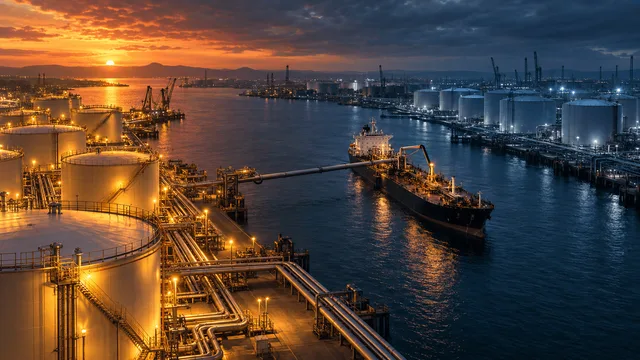
There is one narrow strip of water on the planet that controls 20% of global oil supply. Right now, it is under threat. It is called the Strait of Hormuz, and if the Strait of Hormuz closes it could have a stock market impact
A vessel off the coast of Oman has been attacked.
This is not a drill. It is a live disruption of the single most important energy transit point on Earth. If this situation escalates further, oil could spike to $120 or higher. Inflation could surge again. Entire sectors of the market could rotate overnight.
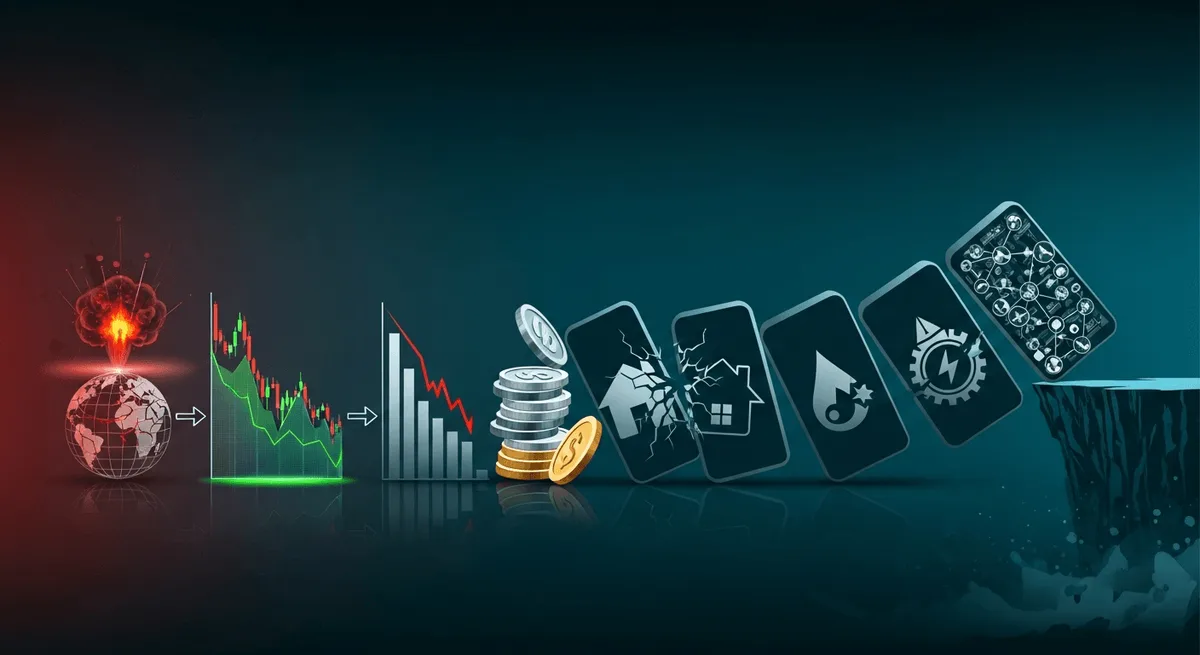
Most investors are going to make the mistake of calling this just an oil story. It is not. To protect yourself — and actually profit from what comes next — you have to understand the entire chain reaction: Oil leads to inflation. Inflation affects Fed policy. Fed policy affects bond yields. And bond yields affect equity valuations.
I do not believe this will cause some major stock market crash this week. Economically speaking, Iran’s slice of the global pie is tiny. The threat is to energy markets, and that disruption will be one of supply.
The World’s Most Dangerous Chokepoint
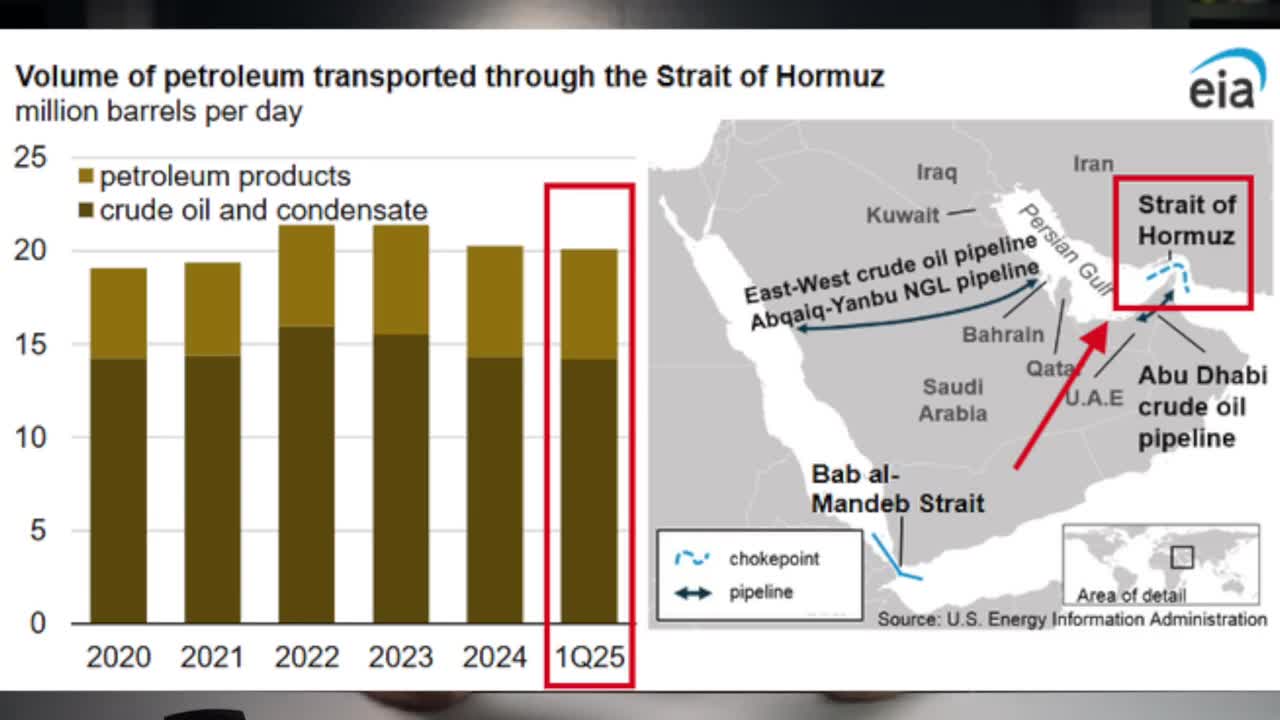
The Strait of Hormuz sits between Oman and Iran. It connects the Persian Gulf to the Gulf of Oman and then into the Arabian Sea — the single most important energy transit point on Earth.
There is no substitute body of water for this level of throughput.
When a chokepoint like this gets squeezed, markets move fast. They do not wait for confirmation. They price the risk immediately.
Shipping Markets Are Already Cracking
We are witnessing operational disruption in real time. Following US strikes on Iran, ships in the strait began receiving warnings. The reaction from the global shipping industry was instantaneous.
- The US recommended vessels avoid the strait entirely as of 12:30 p.m. Eastern time on Saturday
- At least 250 ships have dropped anchors across the Middle East Gulf, the coast of Oman, and the UAE
- War risk insurers have submitted cancellation notices for policies on ships in the Strait of Hormuz
- Marishka is now suspending all shipments through the strait
Brent oil prices are already trading up 10% over the counter.
This is what a market panic looks like in its infancy.
JP Morgan’s Worst-Case Scenario
According to Reuters, Iran is actively notifying vessels that it is closing the Strait of Hormuz.
This exact scenario has been modeled by major Wall Street institutions. In JP Morgan’s 2025 geopolitical analysis, this event was explicitly labeled the worst-case outcome in an Israel-Iran conflict. Not missile exchanges. Not rhetoric. A physical Hormuz disruption.
That alone should tell you how seriously the big institutions view this threat.
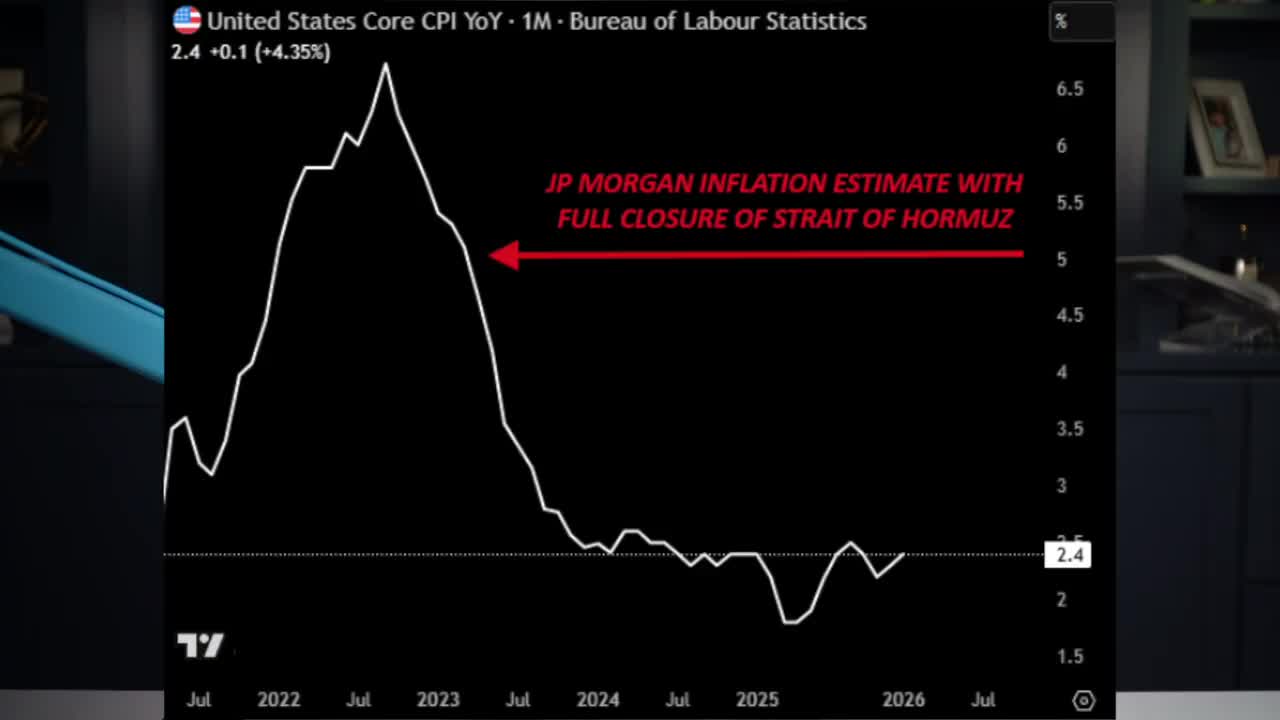
The last time inflation hit 5% was March of 2023. What was the Fed doing then? Aggressively hiking interest rates. This is not just about oil. This is about the Fed being forced back into a defensive posture.
Inflation is already too high. Last week’s PPI report showed year-over-year inflation at 2.9% — nearly 50% above the Fed’s long-term target.
Energy Shocks Ripple Outward
Energy feeds directly into CPI. According to a Federal Reserve study, every $10 move in oil adds roughly 20 basis points to inflation.
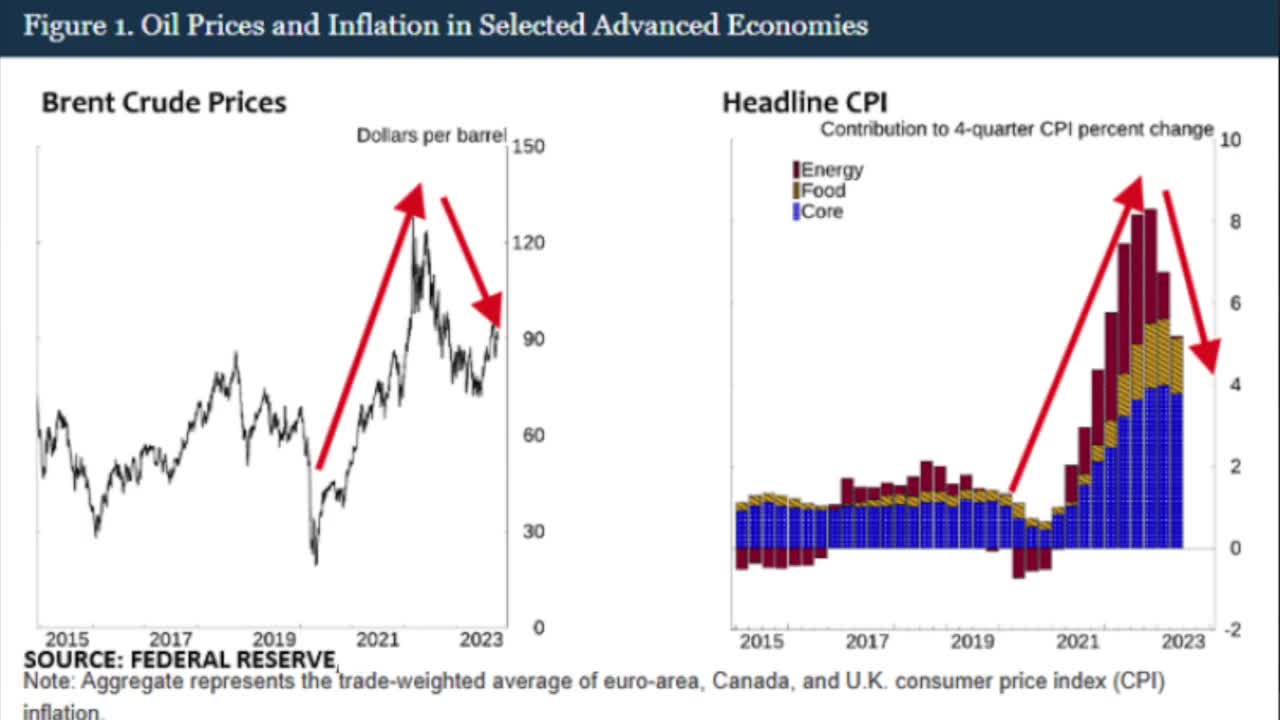
Oil is already up about $15 from recent lows. That alone potentially adds 30 basis points to CPI. Now imagine a move to $120. That is not a headline spike. It is a macro regime shift. And markets hate regime shifts.
Unless, of course, you are positioned correctly.
By the time oil is at $120, the easy money will be gone. By the time CPI prints come in at 5%, the repositioning has already happened. The investors who win are the ones positioned before the shock fully hits.
Get an entire year of live weekly mentoring sessions, my newsletter, indicators, bonus reports, tons more. Click the link and I’ll see you in the next live session.
Why Rerouting Won’t Save Anyone
In 2024, Saudi Arabia accounted for 38% of total Hormuz crude flows — about 5.5 million barrels per day. Even oil that ends up in the US and Europe passes through here. China is heavily reliant as well. This is a globally intertwined energy artery, and if it tightens, everyone feels it.
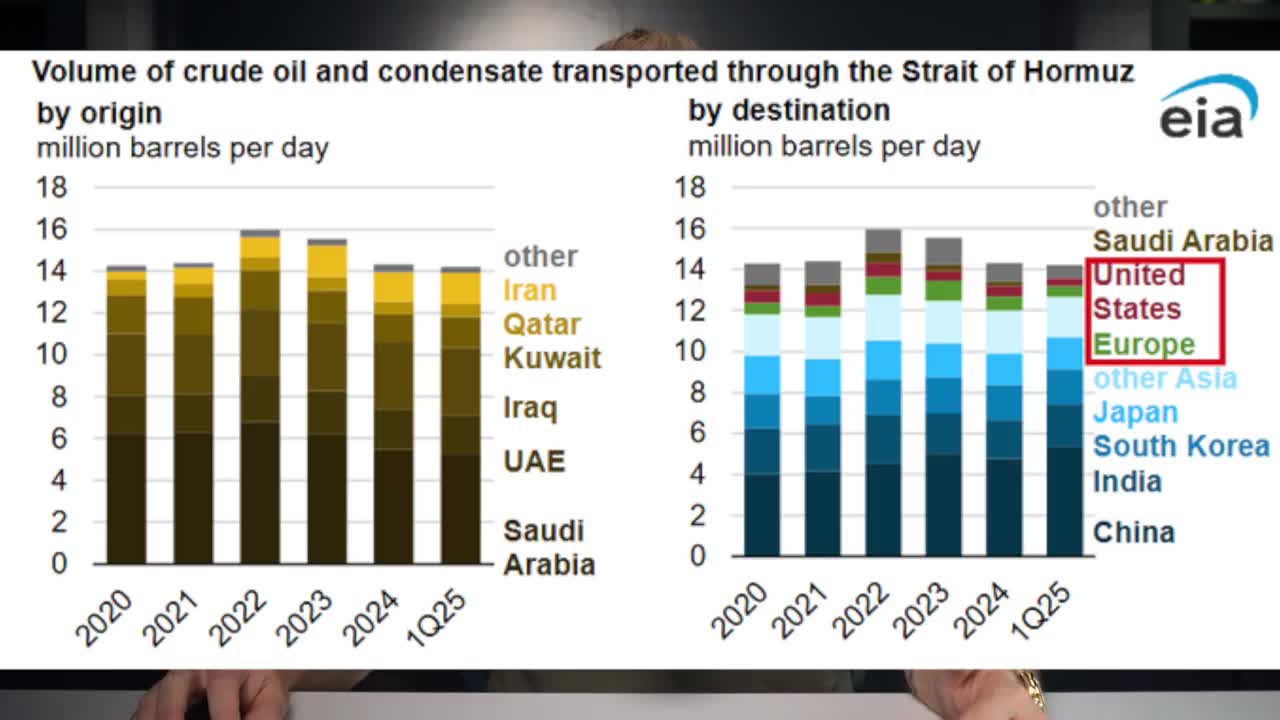
Hormuz is the only sea outlet for Kuwait, Qatar, Iran, and much of Saudi Arabia’s production. Yes, pipelines exist — but they are limited. They cannot absorb the full flow. When these sea lanes tighten, supply does not smoothly redirect. It compresses. And compression equals price spikes.
A 13% global oil shock would be one of the largest supply disruptions in modern history. The world runs on seaborne crude transport, and Iran understands exactly how leveraged that system is. This is strategic pressure, and markets are already reacting.
The cost to ship 2 million barrels of crude from the Middle East to China has jumped to roughly $200,000 per day — the highest level since the 2020 pandemic. Shipping costs are up 584% since early January.
This is not noise. This is stress entering the system.
You Don’t Need a Full Shutdown
The Strait of Hormuz has never fully closed in modern history. But radar data shows oil and gas tankers are already avoiding the passage.
Avoidance alone can tighten supply. You just need enough fear to slow traffic — because slowed traffic becomes constrained supply, and constrained supply becomes higher prices.
When freight spikes, it is because perceived risk is rising. Capital is pricing uncertainty.
What Investors Should Watch
President Trump has shown a pattern of making market-moving decisions late on Fridays. Tariffs, regime changes — always on a Friday night. These weekend headlines create volatility when futures markets reopen Sunday night. But that volatility creates opportunity.
The key question: are we seeing signs of deal-making or escalation?
Any sign that Iran is backing down, and this will be nothing but a brief flare-up. Oil spikes Sunday, maybe Monday, and then quickly fades back down.
If military actions escalate — if this shapes up to be the beginning of something prolonged — we are looking at higher oil prices, higher inflation, sector rotation into energy, and pressure on rate-sensitive equities.
Stocks That Benefit from the Iran Attack
Upstream Producers — First Movers
If oil spikes toward $120–$130 a barrel, upstream producers benefit most. Higher crude prices mean wider margins, which mean higher profits. US producers are not dependent on Hormuz transit. Free cash flow expands rapidly at $100+ oil.
In a true supply shock, these stocks often move before the broader market reacts:
- Exxon Mobil (XOM)
- Chevron (CVX)
- ConocoPhillips (COP)
- EOG Resources (EOG)
Midstream — Drilling Stocks to Watch
If high oil prices persist, exploration and drilling budgets rise. That creates a second wave of beneficiaries — midstream companies like Schlumberger (SLB) and Halliburton (HAL).
Defense Contractors Stocks to Watch
If military engagement escalates, defense contractors typically catch a bid. Higher defense spending expectations flow to companies like Lockheed Martin (LMT), Raytheon (RTX), Northrop Grumman (NOC), and General Dynamics (GD).
Gold will benefit as well if oil pushes inflation higher.
Stocks That Will Struggle from the Iran Attack
Certain sectors crack under higher energy prices. The big one is airlines. Fuel accounts for 20 to 30% of airline expenses, and stocks like Delta (DAL), American Airlines (AAL), and Southwest (LUV) will come under pressure.
Airlines are some of my least favorite investments personally. But if you are heavily exposed, consider trimming those positions.
This is not just a headline story. This is a macro inflection point. When supply arteries tighten, markets reprice quickly. And when markets reprice quickly, the prepared investor is the one who wins.
Get an entire year of live weekly mentoring sessions, my newsletter, indicators, bonus reports, tons more. Click the link and I’ll see you in the next live session.
DISCLAIMER: Traders Agency does not offer financial advice. The information provided is for educational purposes only and should not be considered financial advice. Traders Agency is not responsible for any financial losses or consequences resulting from the use of the information provided. Trading carries inherent risks and may not be suitable for all individuals. You are advised to conduct your own research and seek personalized advice before making any investment decisions, recognizing the potential risks and rewards involved.
See more from Traders Agency on Google
Make us a preferred source and our market analysis will appear more prominently in your Google Search, Top Stories, and AI results.
Add to Preferred Sources