

Hey, Ross here:
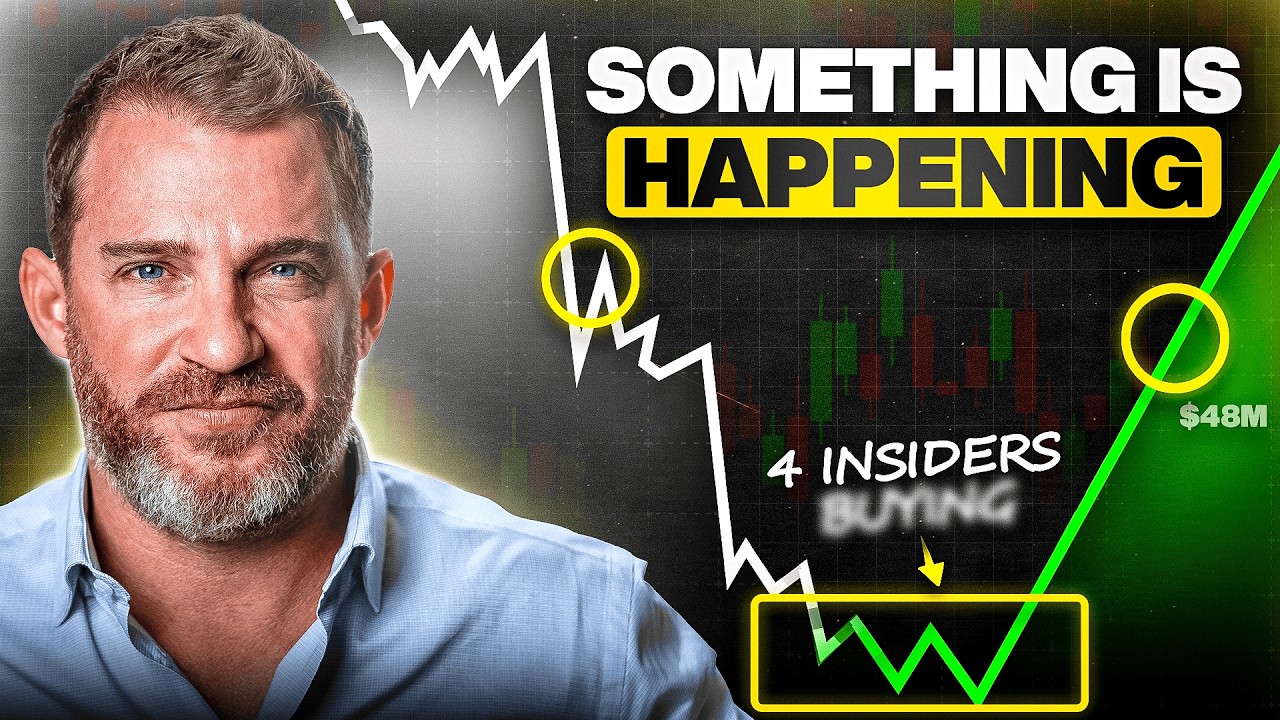
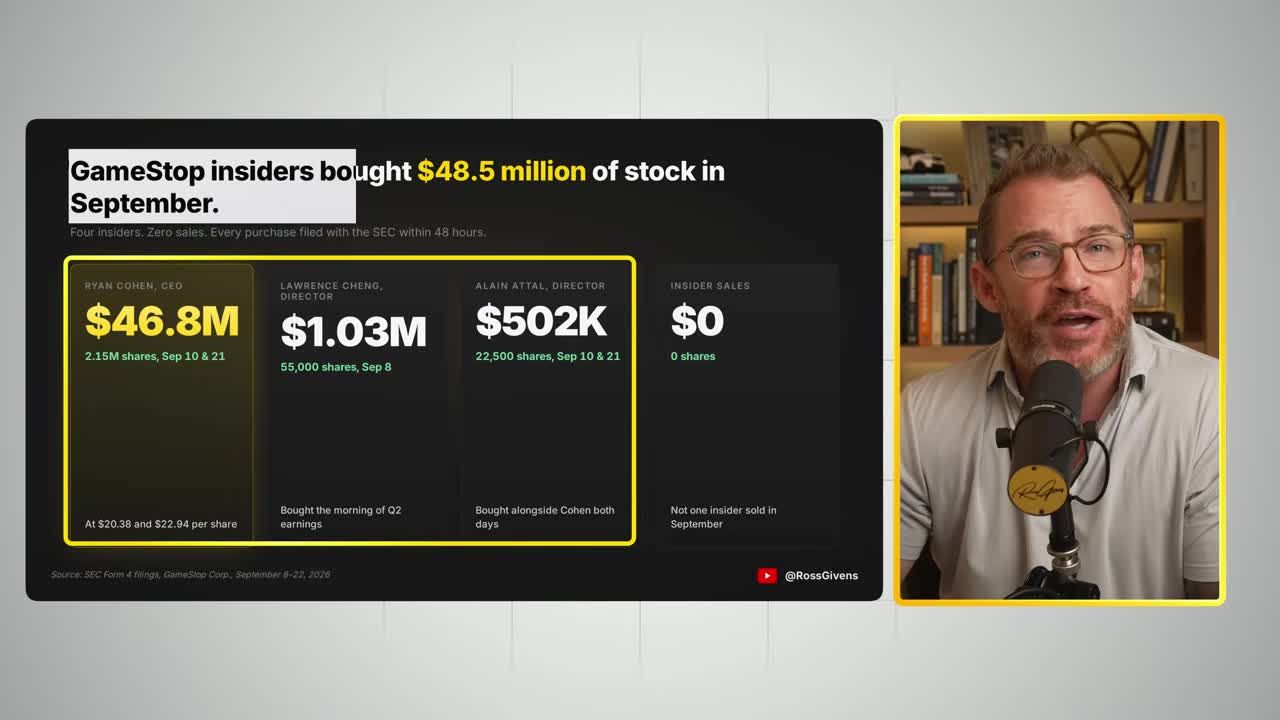
GameStop insider buying just exploded to a scale this company has never seen. Three weeks ago, on September 10th, CEO Ryan Cohen bought $20 million of GameStop stock on the open market. Eleven days later, he bought $26 million more. Three of his directors bought right alongside him.
Four insider buys. $48 million in a week and a half. Zero insider selling.
The ticker is GME. While the rest of the market pulls back, this stock is ripping back to life. And after tracking insider buying for over a decade, I can tell you this one checks every box I look for before I take a trend seriously.
What the Buying Actually Signals
Bottom Line: GameStop insider buying just hit $48 million in under two weeks, with CEO Ryan Cohen's $46.8 million purchase more than double his previous largest buy and zero insiders selling alongside him. That combination of size, concentration, and one-way direction is what separates a meaningful signal from routine noise.
Size, concentration, and one direction only
This round of GameStop insider buying totaled $48 million worth of stock in under two weeks, with Ryan Cohen accounting for the bulk of it and nobody on the inside selling. That combination is rare, and it's the kind of thing that separates noise from conviction.
I want three things before I follow any insider buying trend: significance, track record, and rarity. GameStop's recent activity hits all three.
Is This Ryan Cohen's Biggest Stock Buy Ever?
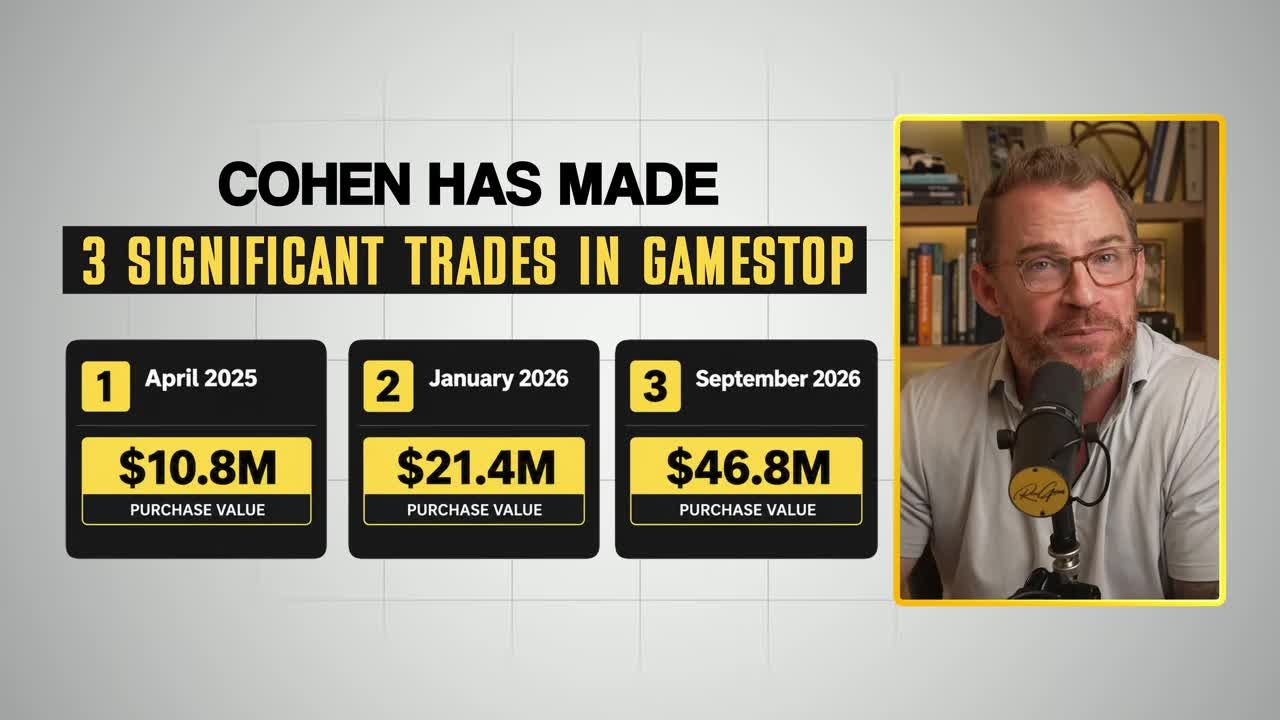
Ryan Cohen has made three significant trades at GameStop, and the newest one dwarfs the others.
- April 2025: $10.8 million
- January 2026: $21.4 million
- September: $46.8 million
This latest buy isn't just his largest trade ever. It's more than double his previous record. When an insider doubles his own buying record, that's not a casual position add. That's conviction backed by real money.
Has His Timing Been Any Good?
Insiders as a group substantially outperform the average investor. That doesn't make every insider a good trader. What matters is whether this specific person has a history of buying at the right moment.
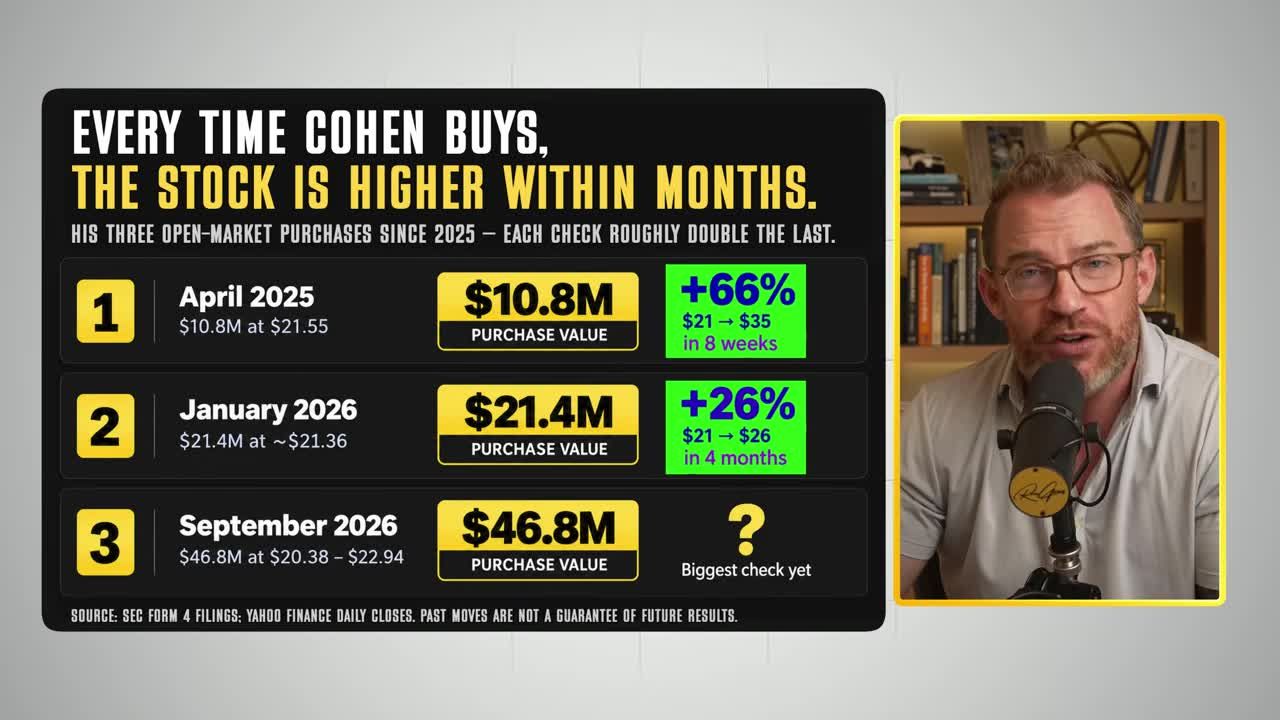
Following each of Cohen's previous big investments, the stock saw a significant move higher over the next few weeks or months. He has a history of well-timed buys, and that history is a big part of why this purchase deserves attention.
Why Does GameStop Insider Buying Matter?
Three filters that decide whether a purchase means anything
The first filter is significance. A purchase might be big for you or me and tiny for someone else. To get my attention, a buy has to be significant for that specific person, ideally the largest purchase he or she has ever made. Cohen's $46.8 million clears that bar without much argument.
The second filter is track record. Not every executive has good timing in his own stock. Cohen's previous buys were followed by moves higher, which tells a different story.
The third filter is the most important one: rarity.
Get an entire year of live weekly mentoring sessions, my newsletter, indicators, bonus reports, tons more. Click the link and I'll see you in the next live session.
Join my Black Ops Trading ClubThe Rarity Test
Chart the total dollar volume of insider buying versus selling in GameStop over the last three years, green bars for purchases, red bars for sales, and September is a clear standout.
That is what makes the recent GameStop insider buying rare by this company's own standard. Each round of buying has roughly doubled the last. $10.8 million became $21.4 million, which became $46.8 million. That isn't coincidence. That's escalating conviction.
So Why Are They Buying?
I cannot believe I'm saying this, but from a fundamental point of view the company is pretty solid. It even looks cheap.
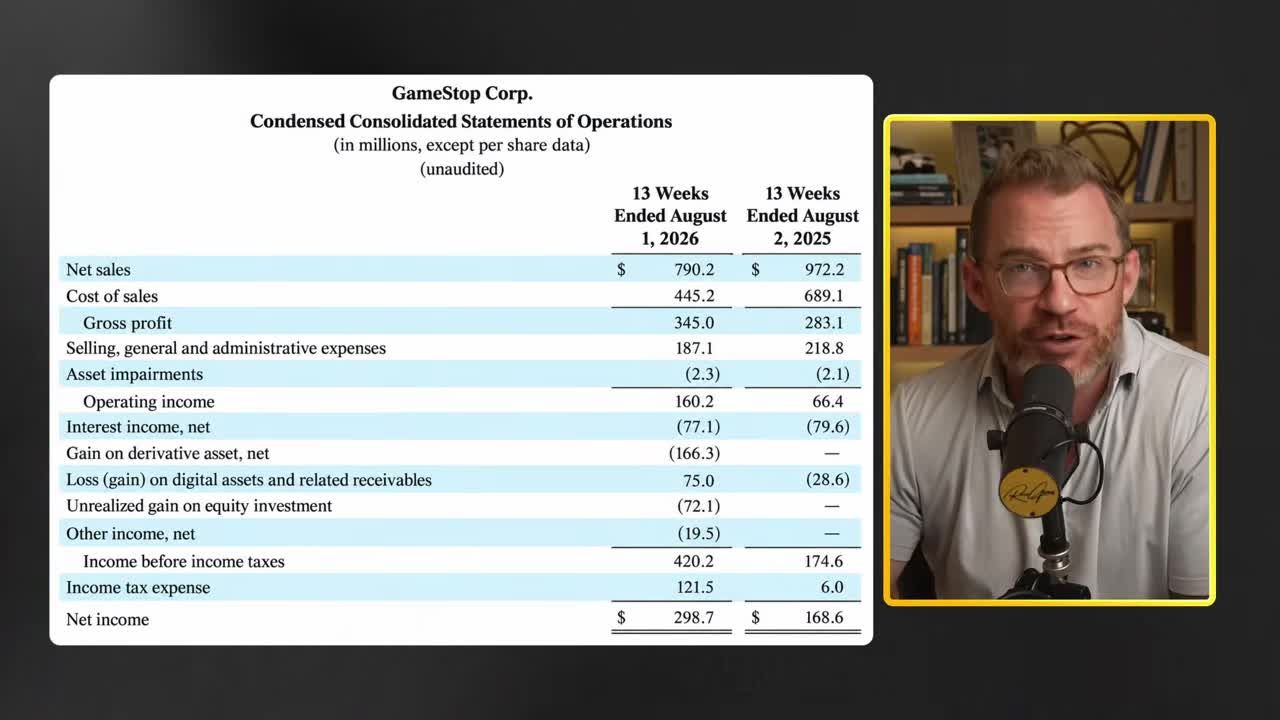
GameStop reported earnings earlier this month, and the headline numbers initially looked bad. Sales were down compared to the prior year. That comparison is misleading. Last year's second quarter included the Nintendo Switch 2 launch, which caused an uptick in sales. The company also closed a batch of stores on purpose, stores that weren't making money, and sold its France business.
Strip all of that out and the growth becomes obvious.
Almost Half the Company Is Trading Cards
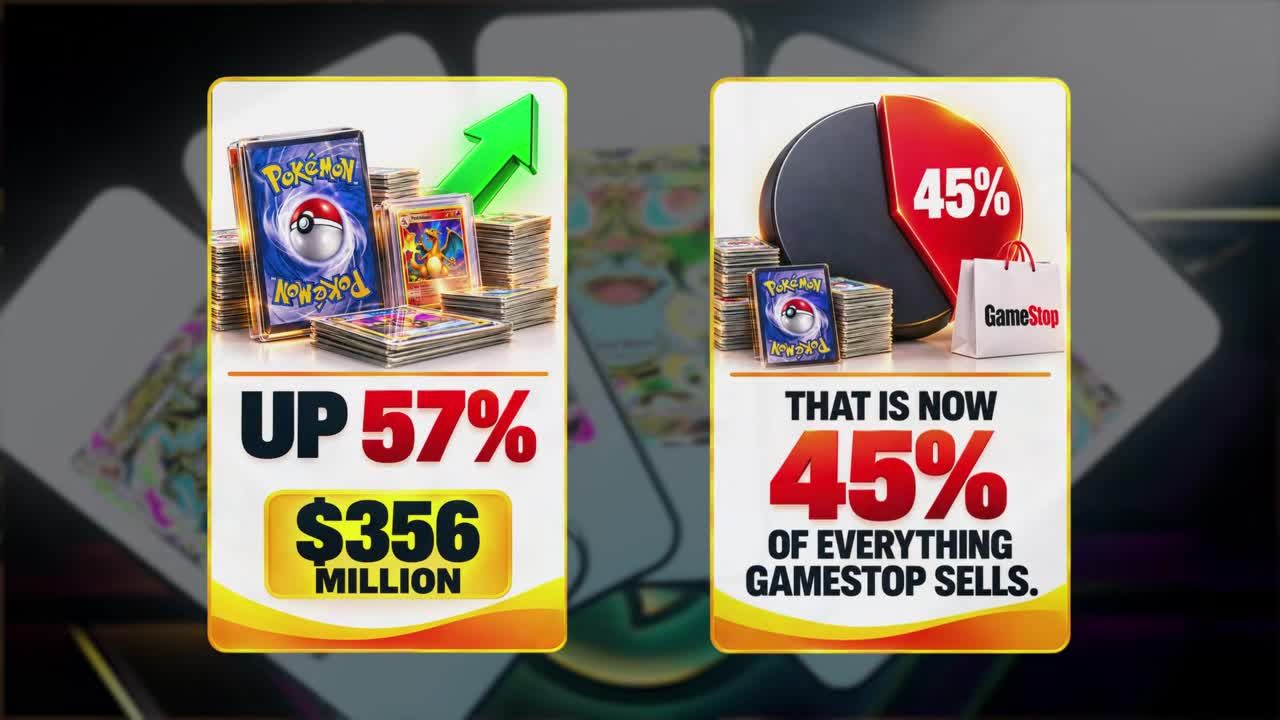
Collectibles and trading cards, Pokemon especially, are up 57% year over year to $356 million. That category is now 45% of everything GameStop sells.
As nerdy as that is, it answers the question that has hung over this stock for years. How does a company that sells consoles and video games survive in a digital age, when you buy the game from the console and download it straight to the Xbox or the PlayStation or the Switch?
You can't download a playing card. It's a physical asset, with a physical market, and the same audience GameStop already has walking into its stores.
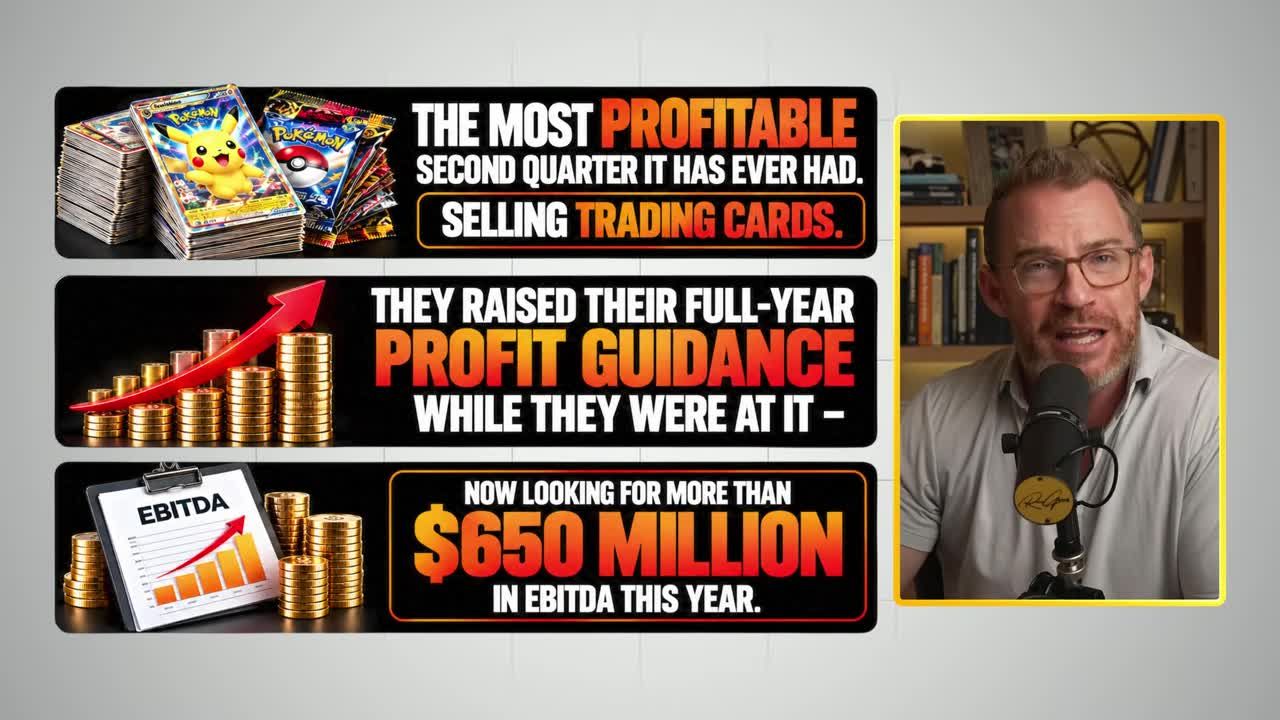
Profit came in at $160 million this quarter against $66 million a year ago. That's the best second quarter in company history. The company everybody, myself included, wrote off as a dead mall retailer just posted its most profitable second quarter ever. Selling trading cards.
Management raised full-year guidance while they were at it, and is now looking for $650 million in EBITDA this year, the cash the business throws off before interest and taxes.
The Back of the Envelope Math
What I believe Ryan Cohen is actually looking at
The picture is better than the earnings report suggests. GameStop has three big things sitting inside it that have nothing to do with selling video games or Pokemon cards.
- Cash and marketable securities: $5.1 billion
- Bitcoin: roughly $300 million
- eBay shares: 43 million shares worth $4.9 billion at current market value
On that last one: GameStop tried to buy eBay for $56 billion back in May. eBay's board laughed and said no. Cohen never sold the eBay stock GameStop already owned, and eBay hasn't really gone anywhere since.
Add it up and you get $10.3 billion in balance sheet assets that have nothing to do with the operating business. You could shut every store down and still have it.
Back out the roughly $2.8 billion in convertible debt and the net value of that pile is about $7.5 billion. That's before counting a dime of the $650 million a year the operating business throws off.
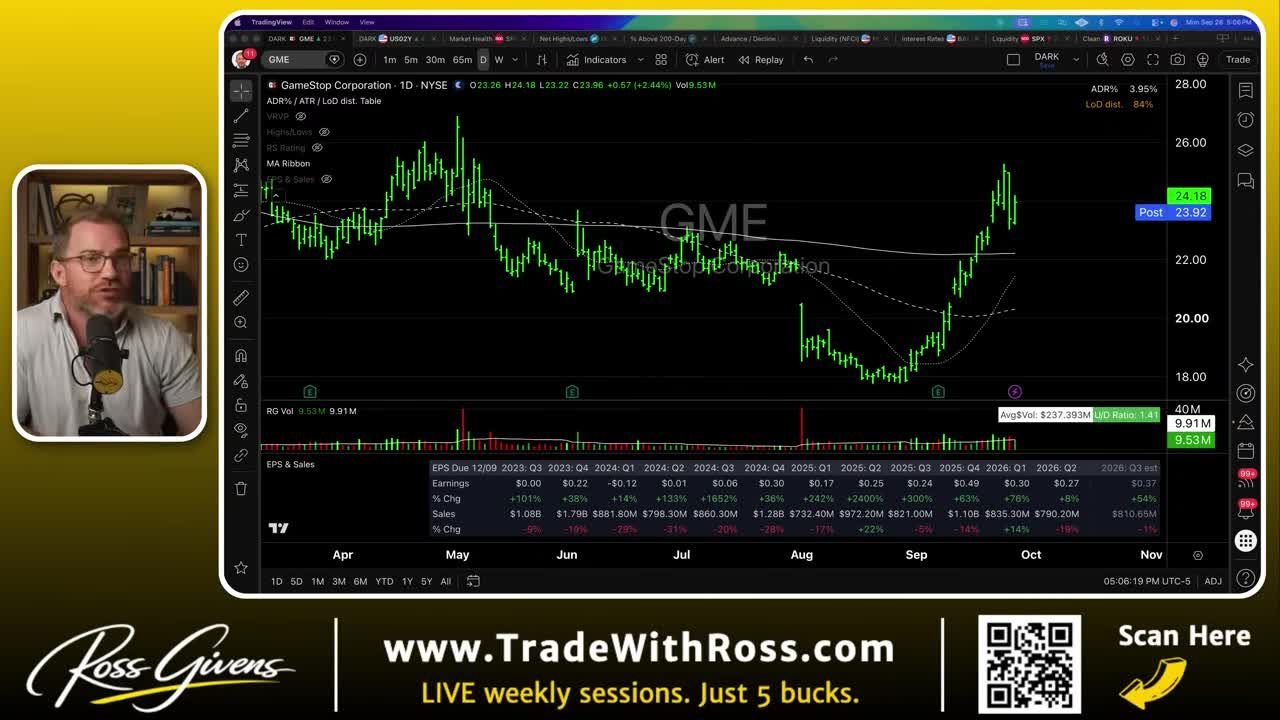
The market cap sits around $12 billion. That's what it costs to buy the whole company at the current stock price. Subtract the $7.5 billion of net stuff on the balance sheet and what you're actually paying for the business is $4.5 billion.
Divide $4.5 billion by $650 million in cash flow and you're paying seven times free cash flow.
You can't find a profitable retailer at that price. This is what Cohen is buying at $20 to $24 a share.
What Does He Have Up His Sleeve?
GameStop trades around $24. Last May it was up around $35, roughly 50% above the current price. If it gets back there, that's the move.
The question I keep coming back to: what does Cohen know? What do the directors know? What is GameStop planning that made insiders bet $48 million on this stock going higher? This is a guy who tried to buy a $54 billion company with his $10 billion company. He isn't scared of taking swings.
Final Thoughts
GameStop insider buying just hit a scale this company has never seen, and the fundamentals underneath it are stronger than most people, myself included, expected. Cohen more than doubled his own buying record, three directors bought alongside him, and nobody sold.
Trading cards now drive nearly half of sales and are growing 57% year over year. The balance sheet math implies investors are paying seven times free cash flow for the operating business. Whether that gap closes is an open question, but the people closest to the company are betting it will.
If you're tracking insider purchases elsewhere in the market, run the same three filters that made this GameStop insider buying worth a second look. Is the buy significant for that individual? Does the insider have a track record of good timing? Is the buying rare relative to that company's own history? GameStop passed all three.
Get an entire year of live weekly mentoring sessions, my newsletter, indicators, bonus reports, tons more. Click the link and I'll see you in the next live session.
DISCLAIMER: Traders Agency does not offer financial advice. The information provided is for educational purposes only and should not be considered financial advice. Traders Agency is not responsible for any financial losses or consequences resulting from the use of the information provided. Trading carries inherent risks and may not be suitable for all individuals. You are advised to conduct your own research and seek personalized advice before making any investment decisions, recognizing the potential risks and rewards involved.
See more from Traders Agency on Google
Make us a preferred source and our market analysis will appear more prominently in your Google Search, Top Stories, and AI results.
Add to Preferred Sources