Google Just Signed a 15-Year Power Deal With an $11 Stock Nobody's Watching
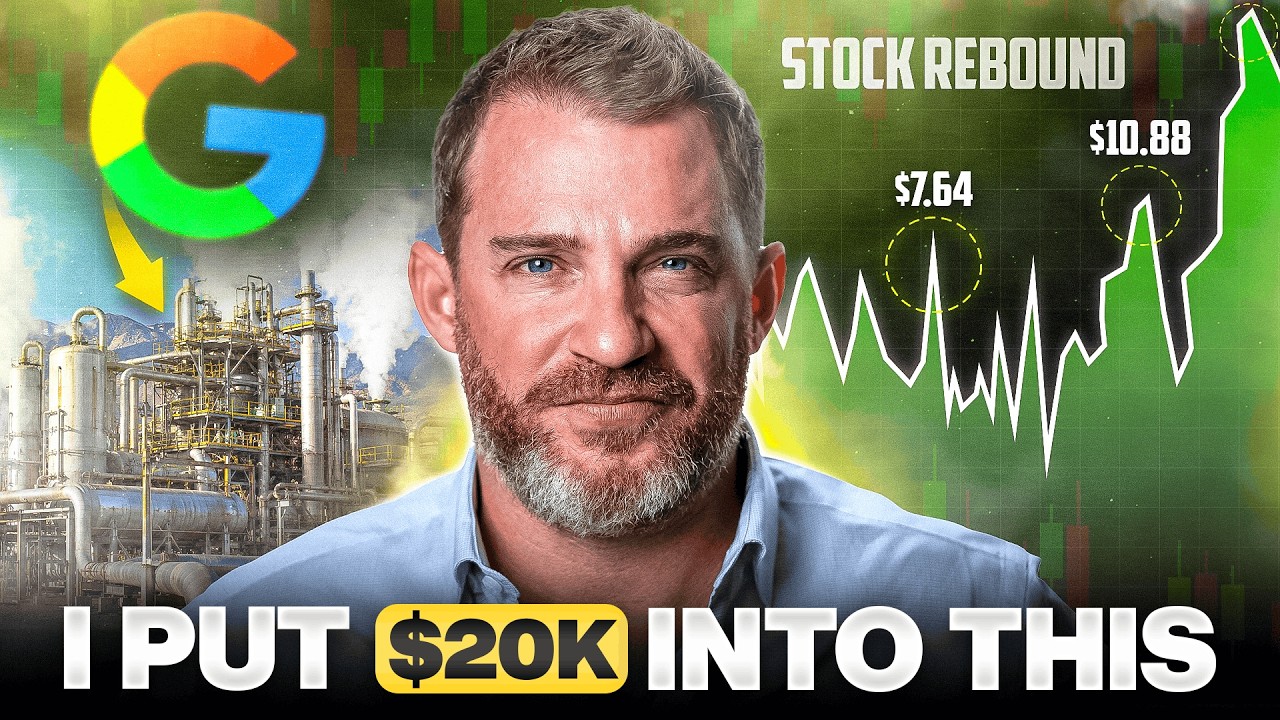
I just put $20,000 of my own money into a geothermal power company most investors have never heard of. Google has heard of it. The company is Fervo Energy, and it just locked in a 15-year power purchase agreement with one of the biggest companies on earth. I believe this $11 stock can double from here.
The real story sits underneath the coverage of this Google power deal: a geothermal company trading at a $3.2 billion market cap with $11.9 billion in contracted revenue under binding power contracts. That gap between price and value is exactly where I want to be positioned.
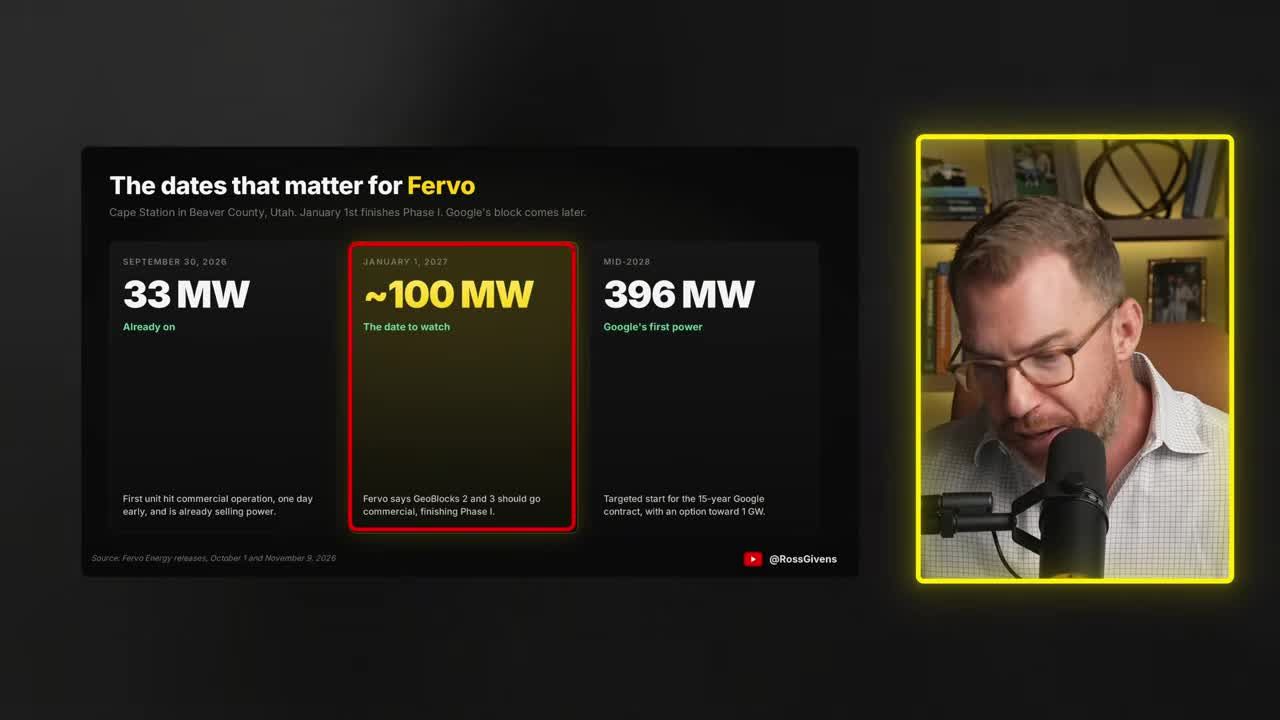
There's a specific date on my calendar: January 1st, 2027. That's when Fervo's next two units are supposed to come online. If they hit that date, the company will have 100 megawatts running with paying customers. Real operation, not a 2030 or 2035 promise.
What Is the Google Constellation Deal With Fervo Energy?
Bottom Line: The Google Constellation deal gives Fervo Energy a 15-year, take-or-pay contract for geothermal power, locking in revenue most investors have not priced in. The stock trades at a $3.2 billion market cap against $11.9 billion in contracted revenue, a gap that forms the core investment case, with the January 1, 2027 start of the next two units as the key date to watch.
396 megawatts, 15 years, take-or-pay
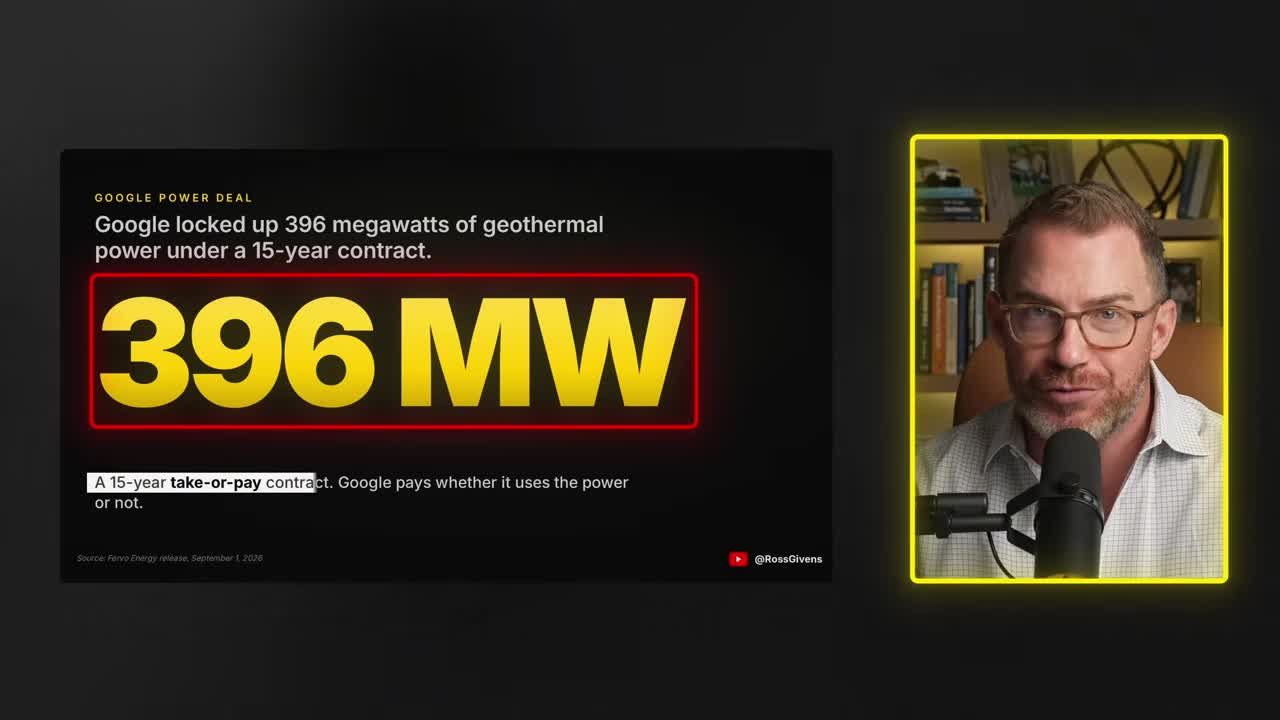
Google announced a power purchase agreement with Fervo Energy for 396 megawatts of geothermal power under a 15-year take-or-pay contract. Google also holds an option to take out roughly 600 megawatts more, which would push the total closer to a full gigawatt.
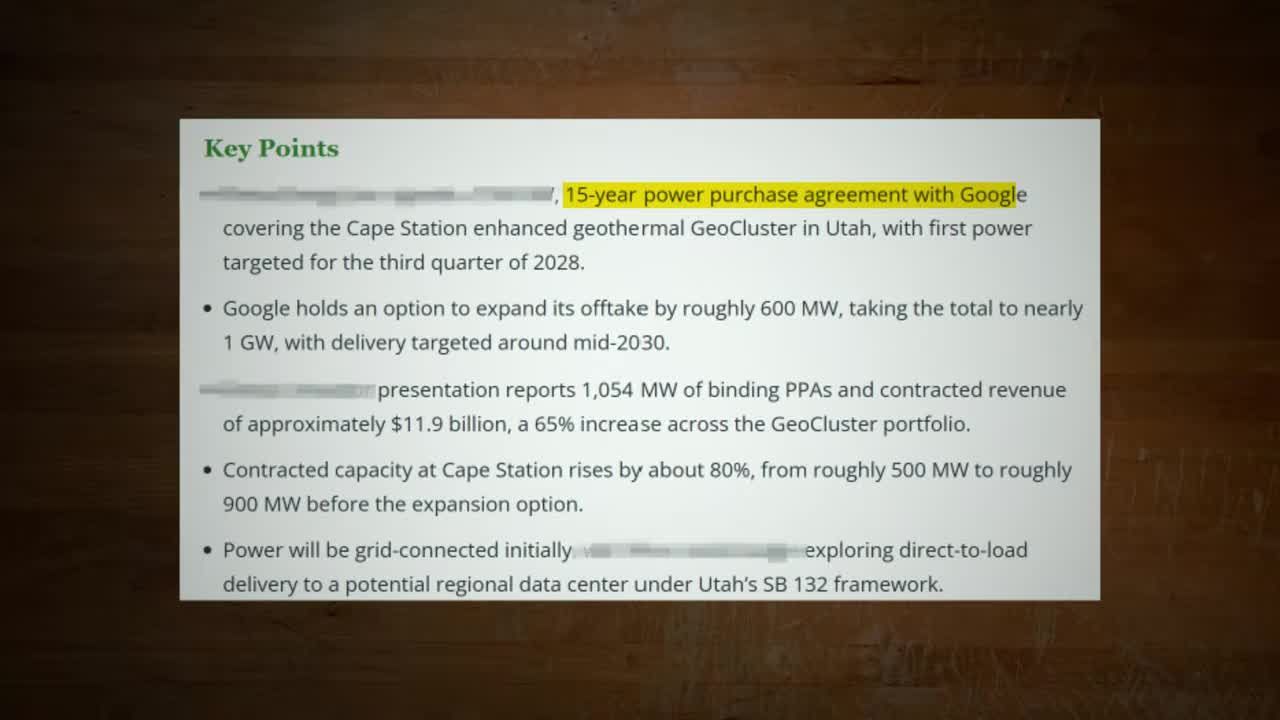
This didn't come out of nowhere. Google and Fervo have been building this relationship for years:
- 2023: A Nevada pilot project called Project Red
- 2024: A 115 megawatt deal with NV Energy
- March: A framework agreement that could scale as high as 3 gigawatts through 2033
- September: The 396 megawatt contract, the one making headlines now
Why Does Google Need Power That Never Sleeps?
Data centers run around the clock, and they need power that does too. Solar works when the sun's up, but you can't count on 365 sunny days a year. Geothermal produces 24 hours a day, seven days a week, which makes it a far more reliable match for AI infrastructure that never shuts off.
There's a bigger fight behind this deal. Hyperscalers need far more electricity than is currently being produced, and that demand collides with a political problem: nobody wants data centers driving up the power bill for the family down the street. By signing a 15-year take-or-pay contract and building dedicated capacity, Google is doing exactly what politicians have been begging data center operators to do. Pay for your own power. Don't put it on the neighbor's bill.
What Is a Take-or-Pay Contract?
A take-or-pay contract means Google pays for the power whether it uses it or not. That structure removes the revenue risk for Fervo and explains why the company was willing to build an entire plant in the middle of the Utah desert for a customer most people have never heard of.
The customer is already on the hook. Every single day, whether Google draws the full 396 megawatts or not, the payment obligation exists. That's the kind of contract that turns a speculative buildout into a financeable, bankable asset. It's also why Fervo could commit real capital, real turbines, and real drilling crews to a project years before the power even started flowing.
What Geothermal Actually Looks Like
This isn't Old Faithful or geysers at Yellowstone. Here's how the process actually works:
- Drill a well into hot rock, the same way an oil company drills a well
- Drill a second well and connect it to the first
- Water goes down one well, picks up heat from the rock, and comes back up the other
- The hot water runs through a plant and turns a turbine, generating electricity
- The water goes back down and repeats the cycle in a closed loop
No geyser, no plume of steam on the horizon. Just a power plant underground that works around the clock. They're not mining oil. They're mining heat.
The CEO, Tim Latimer, is an eighth-generation Texan who started as a drilling engineer in the Eagle Ford and Permian basins. He lived on the rig two weeks on, two weeks off, and the equipment kept breaking from the heat. He went looking for answers and found geothermal, something he'd never heard of before that. In 2017, he started Fervo to take oilfield drilling tools and point them at heat instead of oil. Same rigs, different target.
When the Google deal was announced, Latimer said the agreement "reinforces that EGS is ready to power the next generation of computing infrastructure." EGS is just the industry term for this type of geothermal. Strip away the acronym and it's a simple idea: drill, heat, power.
Get an entire year of live weekly mentoring sessions, my newsletter, indicators, bonus reports, tons more. Click the link and I'll see you in the next live session.
Join my Black Ops Trading ClubBuilding Power Plants in the Desert, Fast
On September 30th, the first unit at Cape Station in Beaver County, Utah went commercial. That's GeoBlock 1, producing 33 megawatts, and it came online a day ahead of the contract date. It's operating in line with expectations on brine flow, temperature, and power delivery, and it's already selling power under contract. This is the first project of its kind in the world to hit a commercial operation date.
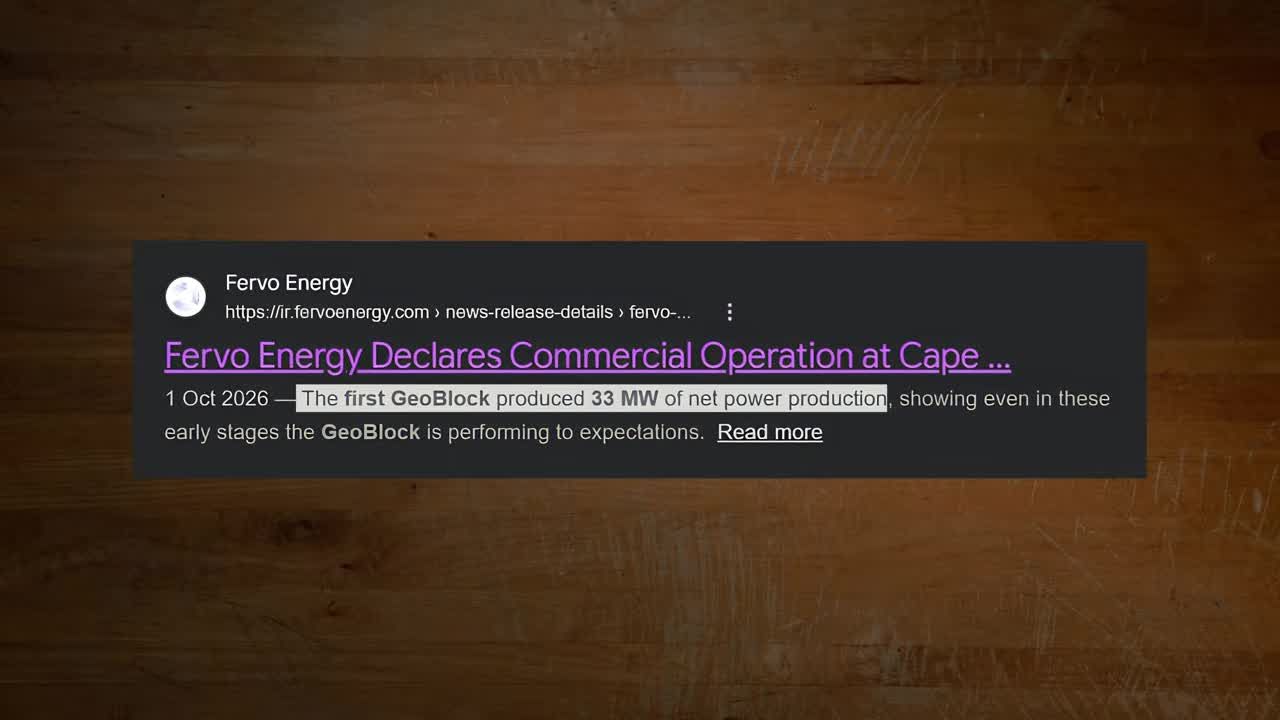
Fervo took a bare piece of desert and had it generating and selling power in 23 months. They believe the next units can be done in 18. If they can stand up units that fast repeatedly, this starts looking less like a science project and more like a power factory.
GeoBlock 2 is already on the grid sending test power, and GeoBlock 3 is mechanically complete. Both are expected to reach commercial operation by January 1st, 2027, putting roughly 100 megawatts into service with paying customers. The 396 megawatt block tied to Google is expected to start paying out in 2028. Those units are already under construction: turbines have passed factory testing, most of the cooling equipment is already sitting in Utah, and the drills are already working.
Total expected investment through 2028 is about $2.2 billion, and the Google project should be ready for financing around the middle of next year. The cost per kilowatt keeps dropping with each build. The Google units are expected to come in around $5,500 per kilowatt, with a long-term target of roughly $3,000 per kilowatt. It's always cheaper to build a thousand of something than one of something.
An independent study Fervo commissioned puts the heat in the Utah field at about 8.4 gigawatts, nearly double the original estimate. That's the size of the resource they're sitting on, far beyond what's currently contracted.
Google Is Avoiding a Political Fight
Google's geothermal strategy sidesteps a fight most hyperscalers can't avoid: who pays for new power capacity, the company or the local ratepayer. By signing long-term, take-or-pay contracts for dedicated new generation, Google removes itself from that argument entirely.
Every person living within 100 miles of a new data center has been pressuring Congress on exactly this issue. Communities want the data centers. What they don't want is the local power bill going up. Google structured this deal so the new capacity comes at no cost to existing ratepayers, which sidesteps that fight completely.
Fervo Trades Far Below Its IPO Value
Fervo currently trades around $11 a share, putting the entire company's market cap at about $3.2 billion. That's a steep drop from its valuation of more than $10 billion when it went public in May.
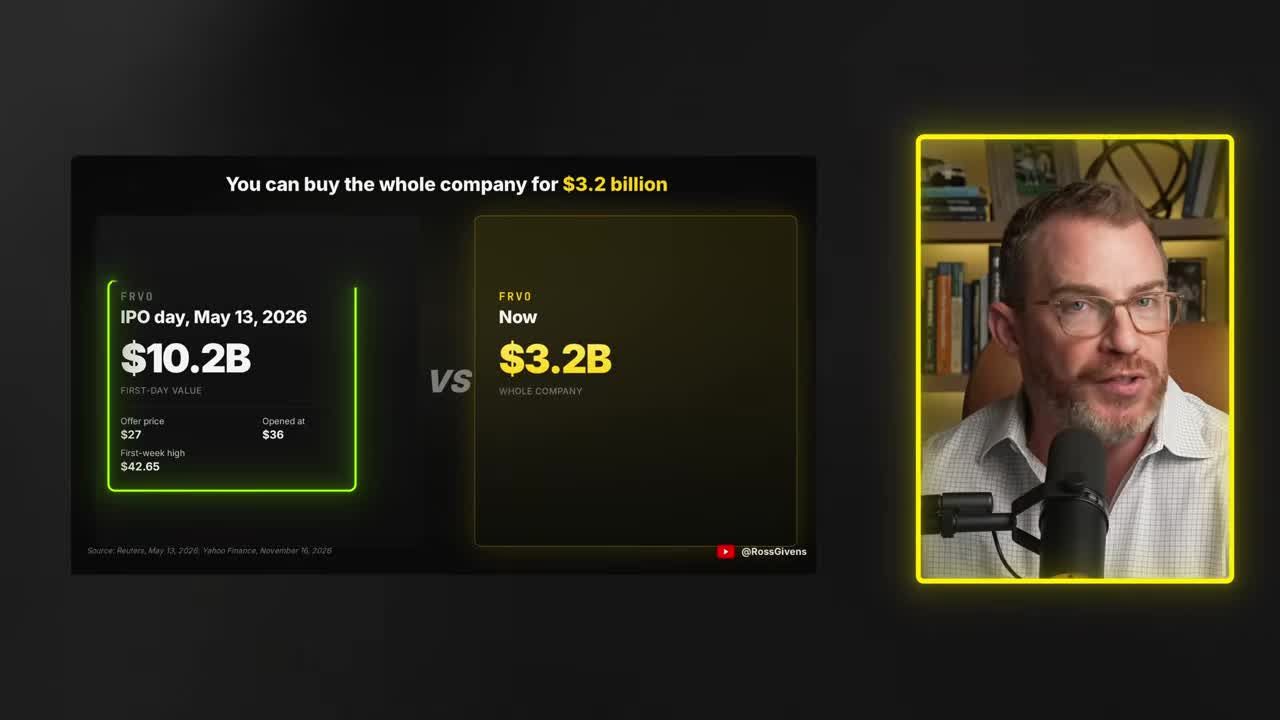
The stock went public at a pre-IPO price of $27 a share. It opened its first day at $36 and ran as high as $42 within the first week. Then, almost exactly like nearly every IPO pattern, it collapsed. That's the standard script: euphoria on day one, a massive repricing down to true value, and a long basing period while real buyers accumulate.
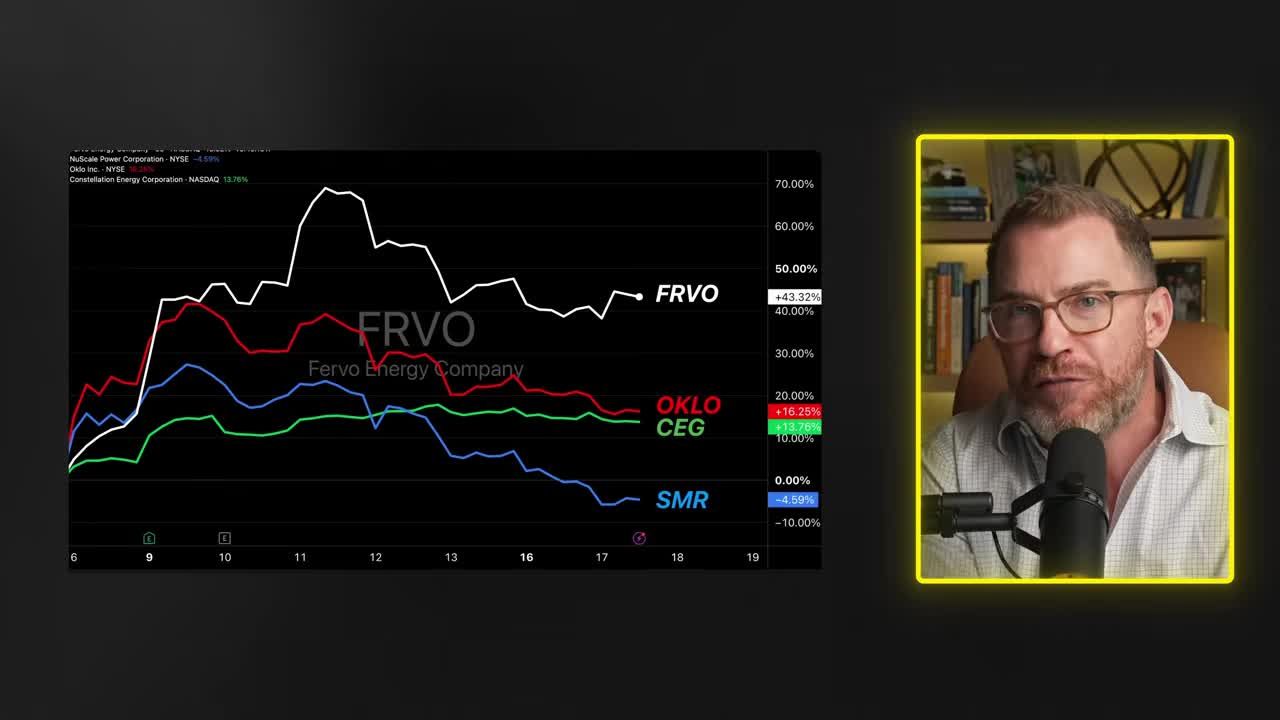
On November 9th, Fervo reported quarterly earnings. They were strong. The stock jumped 26% on a huge spike in volume, then kept running for two more days, up 50% across three trading sessions. It then paused and pulled back in an orderly fashion after a Bank of America analyst cut their price target from $30 to $25, still a buy rating, just a lower number on an $11 stock.
Even after that pullback, Fervo is up 43% since its earnings report.
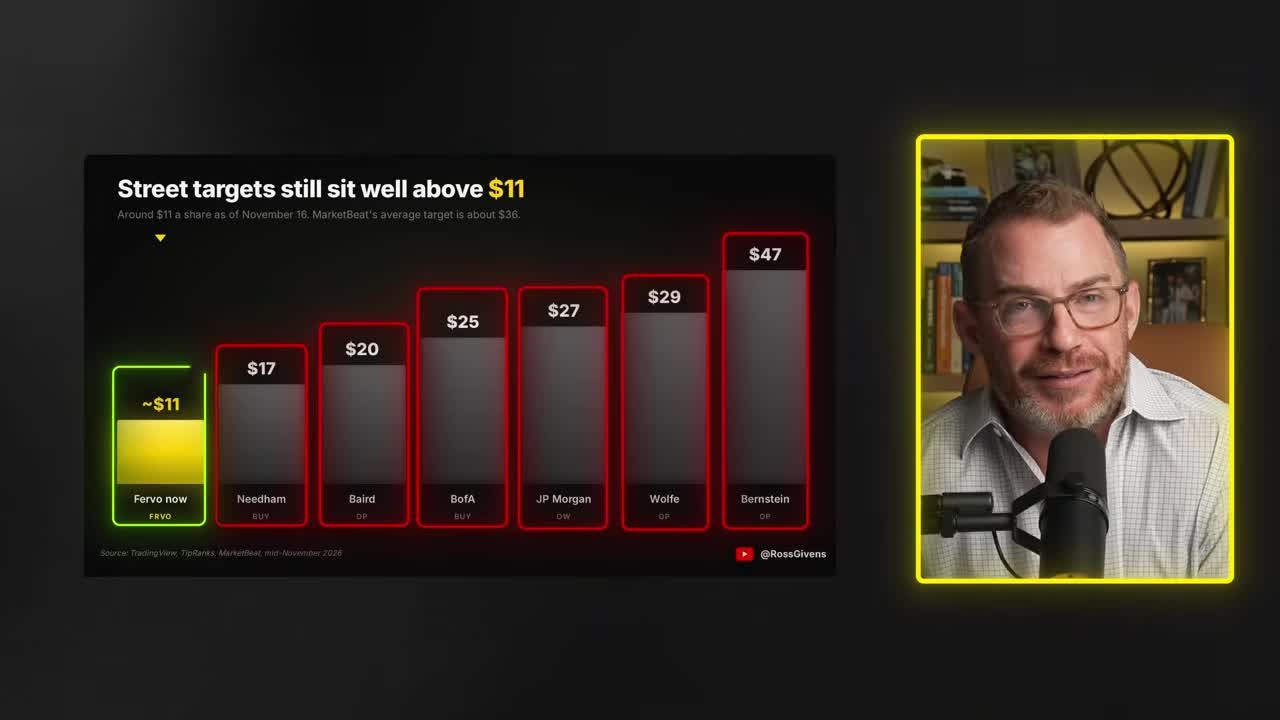
The analyst price targets tell their own story:
- Needham: $17, buy rating
- Baird: $20
- Bank of America: $25 (after the cut, still rated buy)
- J.P. Morgan: $27, Wolfe: $29, Bernstein: $47
- Morgan Stanley: initiated coverage with a buy rating
Could This $11 Stock Double After the Google Power Deal?
The math behind my $20,000 bet
I believe Fervo Energy can double from its current price because the company's contracted revenue already dwarfs its market cap, and the business is executing on real deadlines rather than distant promises.
That $11.9 billion isn't collected overnight. Google's megawatts don't start flowing until 2028, and the first plant has only been operating since September. But the company isn't burning cash waiting around either.
Fervo ended September with $1.9 billion in cash against just $300 million in debt. That balance sheet gives them plenty of room to keep building the plants.
When Fervo went public, it wasn't a pipe dream story. The first 500 megawatts at Cape Station were already under contract at listing, including a separate 15-year deal with Shell Energy for 31 megawatts. Then Google added another 396. This is a company selling real power to real paying customers today, with a second wave of contracted revenue arriving in 2027 and 2028.
If Google keeps building these out, I think Fervo could be an absolute home run.
Why I'm Betting on This $11 Stock
The geothermal angle, a 15-year take-or-pay contract with a company most people have never heard of, is where I see the real mismatch between price and value.
That's not speculation. That's a company already selling power under contract while the market still prices it like an unproven story.
I put $20,000 into this position because the setup is rare: a real business, a real customer in Google, real revenue already on the books, and a stock still basing after its post-IPO collapse. If the company hits its next milestones, I don't think $11 a share holds for long.
Get an entire year of live weekly mentoring sessions, my newsletter, indicators, bonus reports, tons more. Click the link and I'll see you in the next live session.
DISCLAIMER: Traders Agency does not offer financial advice. The information provided is for educational purposes only and should not be considered financial advice. Traders Agency is not responsible for any financial losses or consequences resulting from the use of the information provided. Trading carries inherent risks and may not be suitable for all individuals. You are advised to conduct your own research and seek personalized advice before making any investment decisions, recognizing the potential risks and rewards involved.
See more from Traders Agency on Google
Make us a preferred source and our market analysis will appear more prominently in your Google Search, Top Stories, and AI results.
Add to Preferred Sources