


There isn't a lot in this market that looks good right now. But when you find a sector rotation strategy that's working, it's the easiest way to make real money in stocks. You're not betting on one name. You're betting on an entire group moving together, with multiple stocks setting up inside that move at the same time.
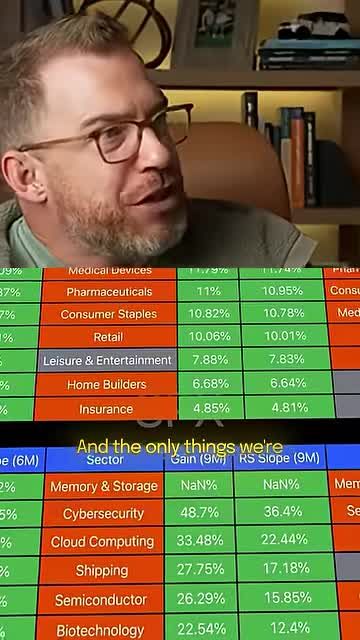
Right now, the data points to one place: medical. Pharmaceuticals and medical devices are leading, and the chart pattern underneath that move looks almost identical to one of the biggest sector trades I've seen in years.
Here's why that matters, and what I'm doing about it.
What Is Sector Rotation?
Bottom Line: Medical stocks, pharmaceuticals and devices, are showing a sector rotation pattern similar to past group moves like nuclear and AI stocks. The setup to watch is a repeating base, breakout, consolidation, breakout chart pattern, confirmed by data and managed with a clear trading plan rather than a single stock bet.
Why group moves beat single stock bets
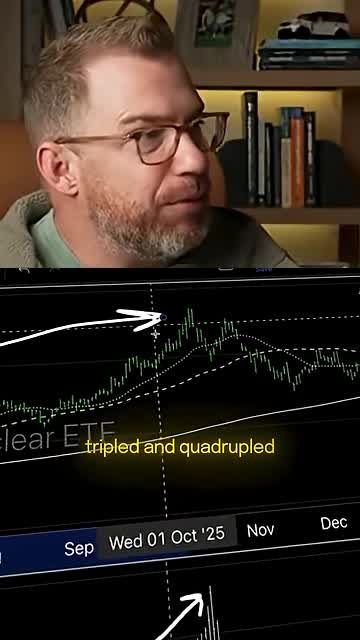
Sector rotation happens when money moves out of one group of stocks and into another, lifting nearly every stock inside that new group at the same time. Instead of one company breaking out alone, an entire sector doubles, and the individual stocks inside it often triple or quadruple.
That's the setup I'm always hunting for. A single winning stock is good. A winning sector is better, because it means the move isn't random. It's being driven by real capital flow, and that flow tends to lift the strongest names inside the group the hardest.
Why Does a Sector Rotation Strategy Work?
A sector rotation strategy works because group moves are more reliable and longer-lasting than one-off stock breakouts. When a whole sector is in motion, you get repeated opportunities instead of a single trade.
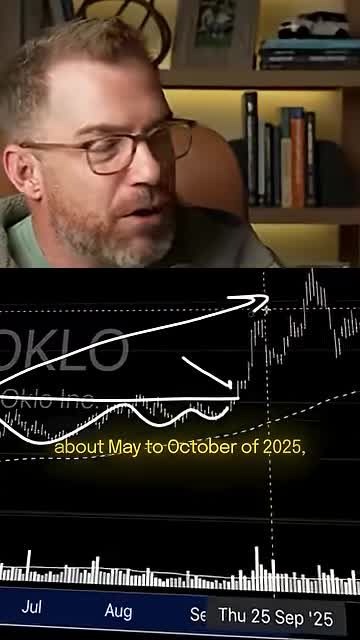
I've seen this play out before. Nuclear stocks ran for five to six months, from roughly May to October of 2015. The sector itself doubled in that window.
That's not a small move. That's the kind of return that changes an account, and it came from being in the right group, not necessarily from being the single best stock picker in the room.
This isn't about predicting the future. It's about recognizing when money is already moving and getting in while the trend is still building.
Where Is Sector Rotation Happening Now?
Medical is showing the clearest pattern in the market
The medical space, specifically biotech, pharmaceuticals, and medical devices, is showing the clearest rotation pattern in the market today. The chart behavior is textbook: a multi-month base, a breakout, a consolidation, then another breakout.
That stair-step pattern is one of the better signals you can watch for. It shows a group building energy quietly before it moves, then pausing to digest gains before pushing higher again. When I scan sector performance, pharmaceuticals and medical devices keep showing up near the top of the list over the past two months.
Medical devices. Pharmaceuticals. Medical devices again. Pharmaceuticals again. When you see the same names repeating across a sector performance list that often, it's not noise. Money is going where the evidence says it's going.
That's the whole exercise if you're tracking rotation today: find the repeat offenders on the leaderboard, then drill into the individual charts to confirm the pattern is real.

Get an entire year of live weekly mentoring sessions, my newsletter, indicators, bonus reports, tons more. Click the link and I'll see you in the next live session.
Join my Black Ops Trading ClubWho Really Wins the AI Boom?
The AI theme is still alive, built on data centers and compute. But the real question is who actually benefits long-term, and the answer isn't who you'd expect.
Think back to the infrastructure builders of the early internet boom. Almost all of them went bankrupt. The internet itself was transformative, but the companies that physically built it weren't the ones that made investors rich. The real beneficiaries were Netflix and Amazon, the companies that took the infrastructure other people built and used it to create something new.
I think the same pattern plays out with AI. The winner of the AI boom isn't going to be the company that owns the most data centers. It's going to be the companies that take the AI tools already available to them and build the next great product on top of it.
That's an important distinction if you're trying to figure out what sectors to rotate into next. The infrastructure story gets the headlines. The application story gets the long-term returns.
A Real Trade: The Healthcare Breakout
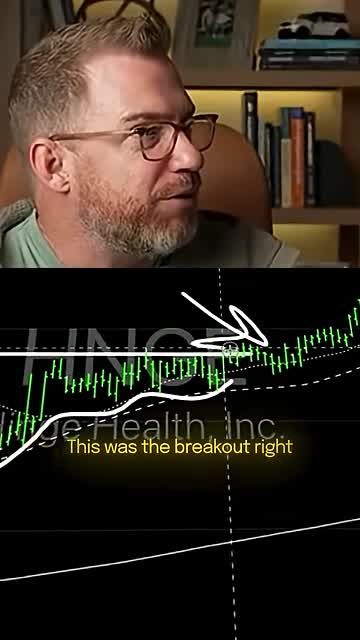
I covered a healthcare stock back in September when the healthcare group was just starting to lead. The stock ran from 50 to 100, a clean double, and it didn't get there violently. It was steady, controlled buying the entire way.
That's the behavior you want to see in a real sector move. It tightened up, consolidated, and that consolidation became the breakout point I flagged at the time. Since then, the stock is up another clean 20 to 25 percent on top of that move.
That's a strong result for a stock that had already doubled. It's a good example of what a sector rotation strategy can look like when trading an individual stock inside a leading group and the timing lines up with the broader trend.
How Is This Trade Being Managed?
Catching the move is only half the job
What you do once you're in the trade determines whether you keep the gains. Here's how I'm handling the healthcare position right now:
- Take partial profits. After a 20 to 25 percent move on top of an already-doubled stock, I'd sell half to two-thirds of the position now and lock in the win.
- Move your stop to the swing lows. On whatever shares I keep, I'd work a protective stop at the most recent swing lows rather than holding with no plan.
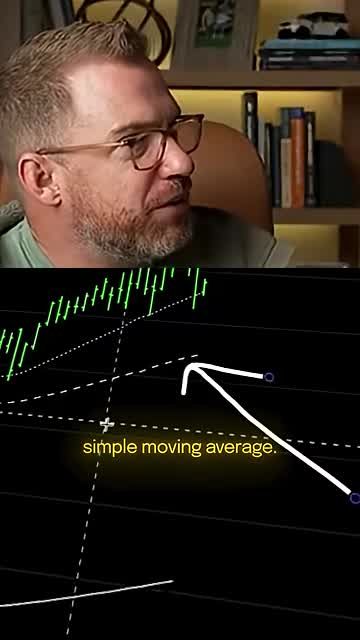
- Wait for the pullback to buy back in. If I want to re-enter, the best spot in my opinion is a pullback into the Simple Moving Average, not chasing the stock higher.
That's the entire playbook. Bank the gain, protect what's left, and have a plan for getting back in on weakness instead of strength.
Risk Factors Worth Watching
Not every sector move keeps running forever, and not every stock inside a hot group behaves the same way. A few things worth keeping in mind:
- A stock that's already doubled can still correct hard even if the sector trend is intact, which is why trimming into strength matters.
- Stops at swing lows exist for a reason: they help limit the damage if the group rotation reverses faster than expected. A stop is not a guarantee of a profit or of an exact exit price.
- Chasing a breakout after a big run increases your risk. Waiting for a pullback to a moving average gives you a better entry than buying strength.
- Infrastructure-style plays inside a hot theme, like the early internet builders, can look exciting but end up being the wrong place to hold long-term capital.
A sector rotation strategy isn't a guarantee. It's a way to put the odds in your favor by trading where capital is already flowing, while still managing the position like any other trade.
What Should You Rotate Into Today?
Based on current evidence, medical devices and pharmaceuticals are the clearest rotation candidates, showing repeated strength on performance lists over the past two months with textbook base-and-breakout chart patterns.
That doesn't mean ignore everything else. When you're asking what sectors to rotate into, start with the groups actually showing up on a performance leaderboard, not the ones getting the most headlines. The AI and data center theme is still relevant, but the better long-term opportunity may sit with the companies building products on top of that infrastructure rather than the infrastructure itself.
Trading the Rotation, Not the Noise
The market right now doesn't have a lot of easy setups. But sector rotation remains one of the most reliable ways to find them when a group move is actually underway.
Nuclear stocks proved it in 2015 when the sector doubled and individual names tripled or quadrupled inside that window. Medical devices and pharmaceuticals are showing the same repeating strength today, with a chart pattern, base, breakout, consolidation, breakout, that's worth watching closely. And the AI theme is a reminder that the biggest winners aren't always the companies building the infrastructure. Sometimes they're the ones who show up later and actually use it.
The lesson is simple: find the group that's moving, confirm it with the data, and manage the trade with a real plan once you're in it.

Get an entire year of live weekly mentoring sessions, my newsletter, indicators, bonus reports, tons more. Click the link and I'll see you in the next live session.
DISCLAIMER: Traders Agency does not offer financial advice. The information provided is for educational purposes only and should not be considered financial advice. Traders Agency is not responsible for any financial losses or consequences resulting from the use of the information provided. Trading carries inherent risks and may not be suitable for all individuals. You are advised to conduct your own research and seek personalized advice before making any investment decisions, recognizing the potential risks and rewards involved.
See more from Traders Agency on Google
Make us a preferred source and our market analysis will appear more prominently in your Google Search, Top Stories, and AI results.
Add to Preferred Sources