

Hey, Ross here:
When you're scanning stocks with most insider buying, one purchase isn't enough. You want a pattern. And right now, one $3 stock has exactly that: a CEO who bought into a beaten-down secondary offering, then came back into the open market weeks later at an even higher price, after the stock had already dropped following earnings.
That's not a one-time bet. That's conviction repeated twice in nine weeks.
The company is called Glue, a software provider for churches and faith-based organizations, and the man buying is Pat Gellzinger, the executive chairman running the show. His background alone is worth a second look. But the timing of his purchases is what actually moves the needle.
What Are Insiders Buying Right Now?
Bottom Line: Repeated insider buying carries more weight than a single purchase, especially when an executive buys into weakness at rising prices. Glue's chairman doing this twice in nine weeks is the kind of pattern worth flagging, though it's one data point, not a guarantee of future performance.
One $3 name stands out from the noise
Glue went public last November at $8 a share. Today it trades for just over three bucks, less than half the IPO price. That's the kind of drawdown that scares most retail investors away. It's also exactly the kind of setup where insider filings start flashing unusual activity, because the people running the company are stepping in while everyone else is stepping out. Screen for the stocks with most insider buying and names like this one are where the interesting filings turn up.
Gellzinger bought 50,000 shares of this $3 stock. That alone would be worth a mention. But it's the second purchase inside the same window, at a rising price, that separates this from noise.

Why Does This Insider Buy Matter?
Nine weeks before the most recent buy, Glue needed money. It held a secondary offering, selling 22 million shares at $3.25 per share.

Secondary offerings spook shareholders. When a company issues new stock, existing shares get diluted, and dilution is one of the fastest ways to kill investor confidence. Shareholders typically hate anything that dilutes the value of their stock.
This time the CEO didn't sit it out. Gellzinger bought a quarter of the entire raise. That's not a symbolic gesture. That's real capital going into the exact kind of deal most insiders steer clear of.
Then earnings hit on September 9th. The stock dropped the next day. And a day after that, Gellzinger came back into the open market and bought again, this time at a higher price than he'd paid in July.
The sequence, laid out plainly:
- July: Secondary offering priced at $3.25 per share. Gellzinger buys a quarter of the entire raise.
- September 9th: Company reports earnings. Stock drops the next day.
- A day later: Gellzinger buys again in the open market, above his July price.

Two separate buying events, nine weeks apart, both around the same depressed price level. That's the pattern you're hunting for when you're trying to separate real conviction from routine, compensation-driven purchases.
The Background That Changes Everything
Why the guy who ran Intel is running church software
Gellzinger isn't a random hire brought in to babysit a niche software company. He's the former head of Intel, and his connection to Glue goes back nearly a decade before he ever took the top job.
He'd been an investor and a board member at Glue for close to ten years. Five of those years he served as chairman. A few months after leaving Intel in March of 2025, he stepped in as executive chairman and head of technology.

That last title matters more than it looks. He isn't steering from a boardroom. He builds the product they sell.
So when someone with that operating background inside a major tech company decides to run point on the technology at a small faith-based software firm, and then buys the stock twice while it's down, that's a very different signal than a passive board member picking up a few shares for optics.
Get an entire year of live weekly mentoring sessions, my newsletter, indicators, bonus reports, tons more. Click the link and I'll see you in the next live session.
Join my Black Ops Trading ClubIs Insider Buying Good for a Stock?
Generally, yes. Insider buying means the people with the most information about a business are putting their own money at risk. But the context of the purchase matters as much as the purchase itself.
A single small buy from a board member tells you almost nothing. A CEO buying a quarter of an entire dilutive offering, then returning to the open market weeks later at a higher price after a post-earnings drop, tells you plenty. It shows the buying wasn't a reflex reaction to a cheap tape. It was a decision made twice, under two different market conditions.
That's why the "good signal or bad signal" argument always comes back to pattern and timing. One buy is noise. Two buys, nine weeks apart, at rising prices, following a dilutive raise and an ugly earnings reaction, is something else entirely.
What to Look for in Insider Filings
Not every insider purchase deserves your attention. The ones that do share a few specific traits, and Glue's filings check several boxes at once.
- Repeated buying, not a single transaction. Gellzinger bought in July and again in September.
- Buying into weakness, not strength. Both purchases came after the stock had already dropped.
- A rising price paid. He paid more the second time, not less. That's the opposite of panic-averaging down.
- Size relative to the deal. A quarter of an entire secondary offering is a meaningful stake in a raise most insiders avoid because of dilution.
- Operating relevance. The buyer isn't a passive investor. He builds the product the company sells.
When those factors stack up together, you're looking at something far stronger than a routine filing showing a small, scheduled purchase.
How Do You Find Stocks With Most Insider Buying?
Finding your own examples starts with tracking insider transaction filings directly instead of waiting for headlines to tell you what happened.
That data is public and free. Screener tools built on top of it let you filter by transaction size, insider role, and price relative to recent trading history. The goal isn't just seeing who bought. It's seeing whether the buying repeats, whether it happens into weakness, and whether the price paid is rising or falling over time.
A tracker is a filter, not a shortcut. Out of all the stocks with most insider buying in any given week, you're only after the handful that show real conviction, the way Gellzinger's two buys line up side by side.
What Happens Next Here?
The stock fell to around $3 in July. Two and a half months later, it's still holding the $3 to $3.50 range. That's the market saying it's in agreement at this level.
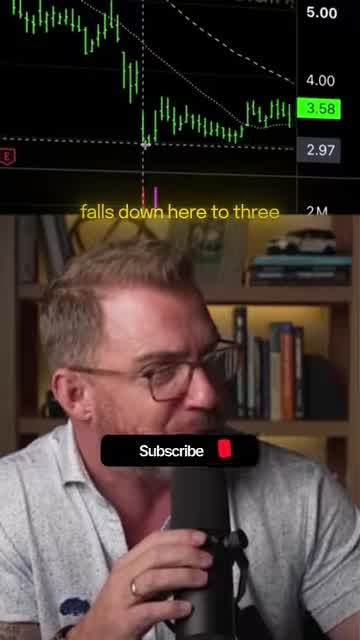
Price stability after a drop isn't nothing. When a stock gets hit, falls to a level, and then just sits there for months instead of grinding lower, it usually means the sellers are close to finished. And now there are signs of a run starting. It had a 10% up day on Friday.
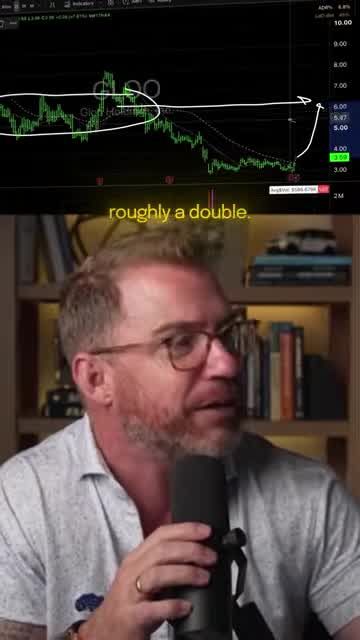
If this thing gets legs and Gellzinger's buying proves to be the right call, it's likely heading back up toward six or seven bucks. Roughly a double from here.
Why Does This Insider Buying Pattern Stand Out?
The strongest insider signals aren't single purchases. They're repeated ones made under different conditions. Glue's CEO didn't just buy once when the stock looked cheap. He bought a quarter of a dilutive raise in July, watched the stock drop again after September earnings, then bought a second time at a higher price in the open market.
A former Intel chief, with nearly a decade of history at this company, putting real capital behind a $3 stock twice in nine weeks. Add a price base that's held for two and a half months and a 10% up day already on the board, and this is a setup worth watching closely rather than dismissing as another small-cap filing.
The company is called Glue. Watch how it behaves around $3 to $3.50, because that's where the market and the insider both seem to agree the value sits.
Frequently Asked Questions
What stocks are insiders buying the most?
The clearest example right now is Glue, a church and faith-based software company, where executive chairman Pat Gellzinger has bought shares twice in nine weeks: once through a secondary offering and once in the open market at a higher price.
Is insider buying good for a stock?
It's generally a positive sign, because it puts the people with the most company knowledge at financial risk alongside shareholders. It carries more weight when the buying repeats and happens into price weakness, as it did here.
How do you find stocks with most insider buying?
Track insider transaction filings directly through public data sources and screeners that let you filter by purchase size, insider role, and price trend, rather than relying on news headlines.
What are the top 3 stocks to buy right now?
This analysis focuses specifically on Glue, the $3 stock where the CEO has bought twice in nine weeks. No other names were covered.
Is insider buying a good strategy on its own?
It depends on context. A single small purchase means little. Repeated buying into weakness, like Gellzinger's two purchases, is a stronger signal worth factoring into your research.
Get an entire year of live weekly mentoring sessions, my newsletter, indicators, bonus reports, tons more. Click the link and I'll see you in the next live session.
DISCLAIMER: Traders Agency does not offer financial advice. The information provided is for educational purposes only and should not be considered financial advice. Traders Agency is not responsible for any financial losses or consequences resulting from the use of the information provided. Trading carries inherent risks and may not be suitable for all individuals. You are advised to conduct your own research and seek personalized advice before making any investment decisions, recognizing the potential risks and rewards involved.
See more from Traders Agency on Google
Make us a preferred source and our market analysis will appear more prominently in your Google Search, Top Stories, and AI results.
Add to Preferred Sources